

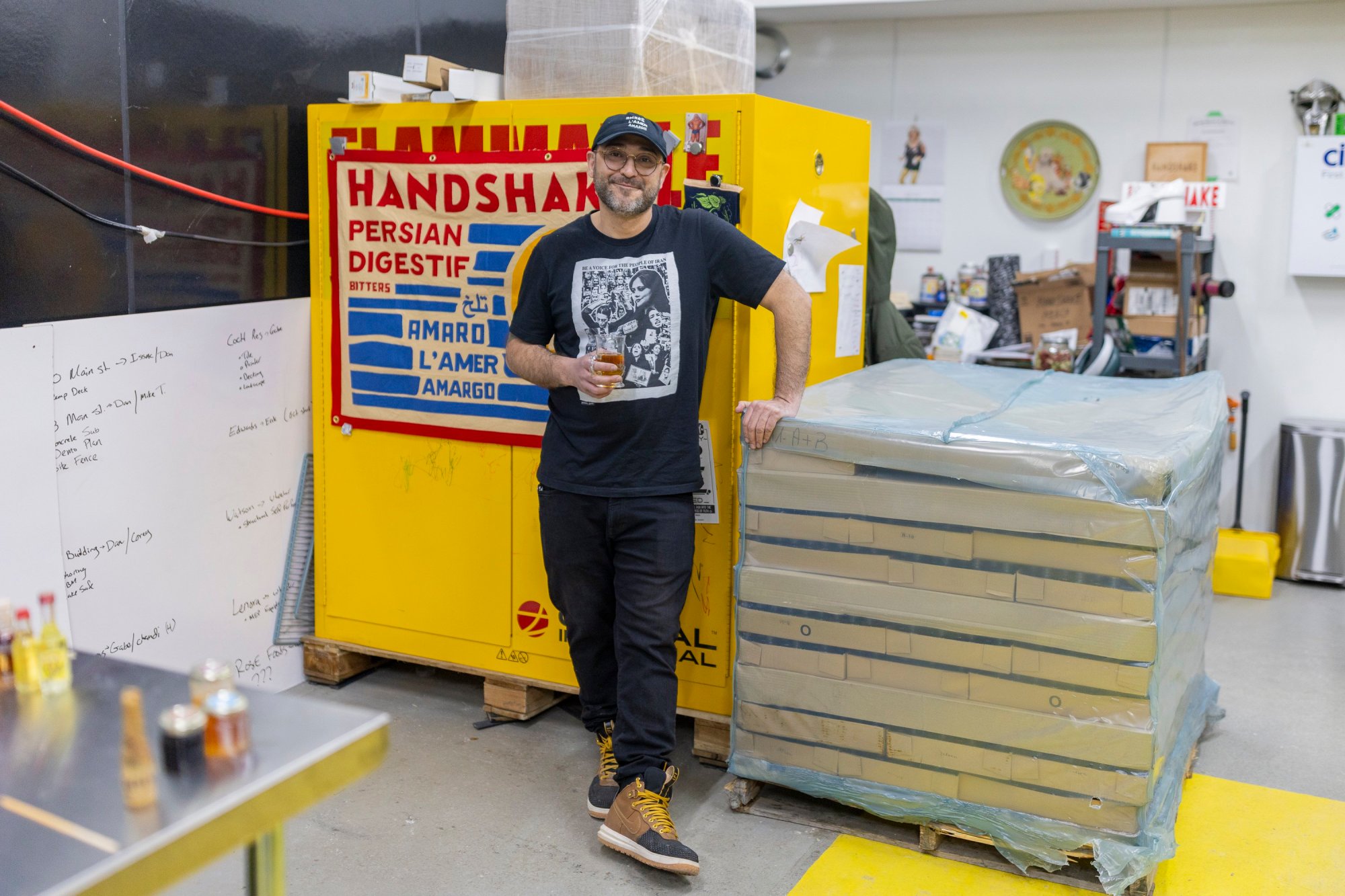
The Alder Street workspace of Handshake, Portland’s Persian digestif bitters, is replete with bottles of its namesake amaro, flags and samples of classic digestifs like Chicago’s beloved Swedish-style Jeppson’s Malört and German Underberg, and all manner of bitters accoutrements and memorabilia. Judging by his workshop, it’s hard to imagine Handshake founder Shahin Khojastehzad wasn’t always obsessed with bitters.
But with bitters, it’s not usually love at first sip.
Khojastehzad first tried Fernet-Branca, a notoriously bitter Italian concoction, while visiting his wife’s Italian family in 2006. “My mother-in-law gave me a shot, and I immediately went to my wife and said, ‘I think your mom hates me, this is so bad.'”
By the end of the night, though, they’d killed the bottle, and Khojastehzad was hooked.

The former co-owner and manager of Novare Res launched Handshake in 2023. His Persian-Maine mashup amaro — which Wine Enthusiast magazine called “one of the United States’ most exciting digestifs” — is now featured in cocktails at Greater Portland’s top bars, along with mixology meccas around the country, and sold in 30 states.
Maine’s half-dozen or so producers of cocktail bitters and digestifs occupy a small, niche corner of the alcohol market. Yet they’ve seen interest in their products grow steadily in the past 10 years as consumers have gravitated toward more complex cocktail flavors. And even as many consumers choose to drink less these days, some producers are expanding their bitters and digestif lines, taking advantage of the demand for lower-ABV beverage options.
“People still want to go out and have a beautifully constructed cocktail or mocktail, and the bitters still play a pivotal role,” said Matt Page, co-owner of Split Rock Distilling in Newcastle, which will be adding three new flavors to its line of five organic bitters in the coming months.
Khojastehzad also feels bullish about the future of bitters and digestifs, strong flavors best enjoyed in small amounts, especially considering the general trend toward drinking less.
“It doesn’t need to be for the Jägermeister frat parties anymore,” he said. “You can just enjoy the experience of something and a little bit of it, rather than making the end goal intoxication.”
‘THE BACKBONE OF A DRINK’
Khojastehzad is preparing to launch two more amari in the coming months, along with a nonalcoholic version of Handshake’s flagship digestif, partly with hospitality workers in mind. “Not everybody in the restaurant scene drinks, and I’d like to have something available for them, too.”
Ian Michaud launched Fernet Michaud with his brother, Eric, in 2015, under their former brand, Liquid Riot. Their aim was to make a more approachable, less medicinal version of Fernet-Branca.
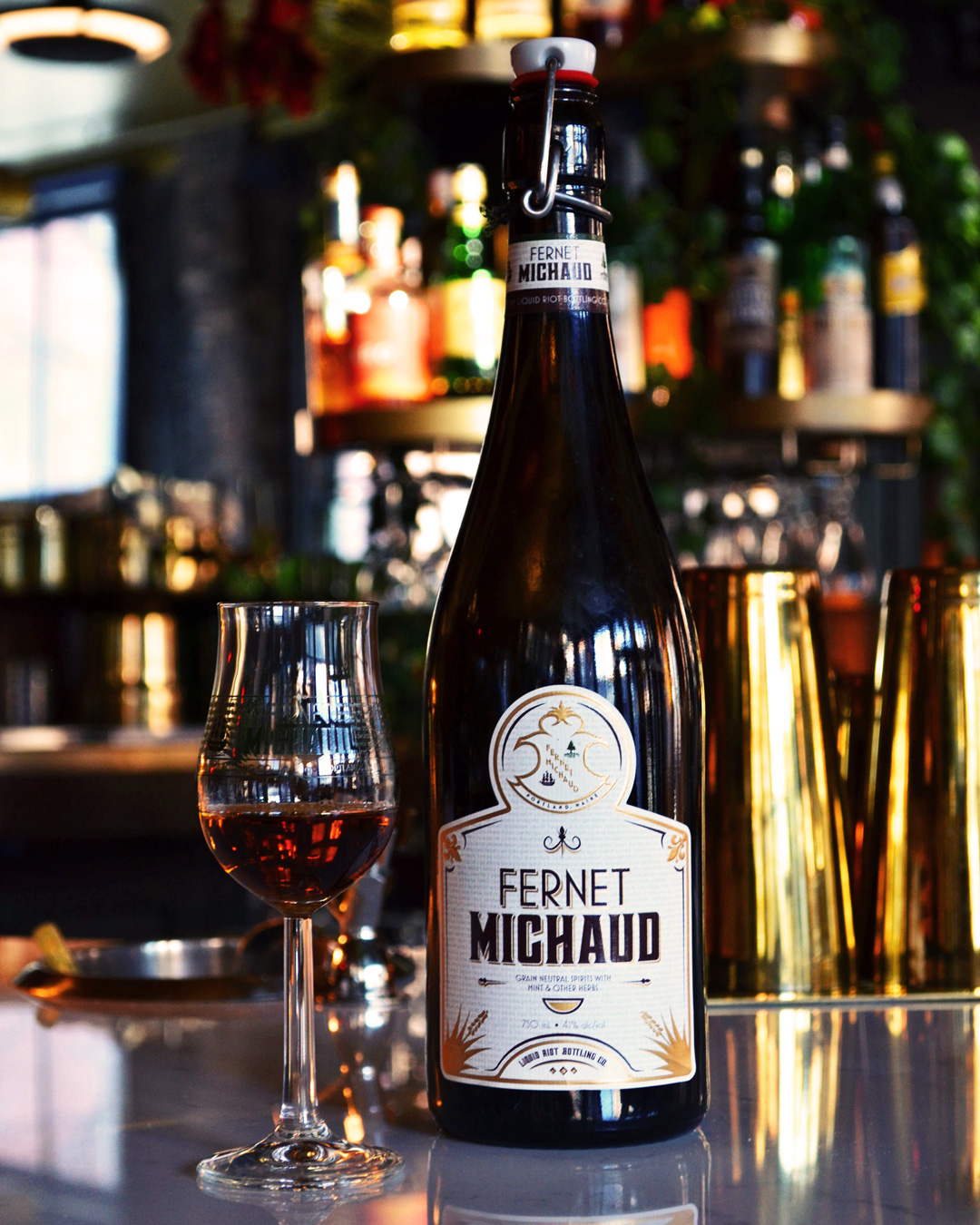
This year, they’re launching a new spirits company, Granite + Leonard Distilling, with Fernet Michaud as its flagship, and introducing new products like a citrusy, Campari-style amaro.
“I feel like of the spirits out there now, the amaro world does have traction,” Michaud said. “It’s not shrinking. It’s still unique to the American customer. We’ll continue to make the whiskey, but I think for us the growth will be more amaro-based.”
In this country, the rise in popularity of shakable cocktail bitters and pourable digestifs like Italian amari coincided with the early 2000s craft cocktail boom. Until about 2005, bartenders usually stocked just a couple of basic bitters: the 19th-century mainstays Angostura and Peychaud’s. Use of digestifs like Campari and Fernet-Branca was limited at best, and American-made digestifs didn’t start to proliferate until the 2010s.
But bitters and digestifs are the unsung heroes of the cocktail world. They vary in intensity of bitterness — some deliver a harsh, aspirin-like dose — and they’re rounded out with flavor infusions from dozens of botanicals. Digestifs like amari can be sipped on their own, though like dashes of cocktail bitters, they’re often subtly woven into drinks.
“Bitters are the backbone of a drink,” said Page. “A few drops can change everything, and completely transform a drink’s character. They are structure, they’re not decoration. It’s the seasoning of a cocktail or mocktail.”
“I always call (bitters) the rhythm section,” said Khojastehzad. “It doesn’t need to be the lead singer, it can just be the background player that helps everything get lifted up.”
Andrew Volk, co-owner of Portland craft cocktail bar Hunt + Alpine, describes the skillful deployment of bitters and digestifs in cocktails as something “you don’t notice until it’s not there.”
“Without those bitters, it’s like cooking without salt. The drink will fall flat on your palate. Your brain might not know exactly what you’re missing, but you feel like you’re missing a key ingredient.”

A DELICATE BALANCE
The sheer intensity of bitters is what industry insiders feel makes them well positioned for the changing dynamics around drinking. Many consumers want less booze, but not less flavor.
“The easiest thing in the summertime is to make a spritz,” said Volk. “You add sparkling wine and soda to your bitters and you have a great, refreshing, long cocktail that you can have more than two of and still have a lovely afternoon.”
Bar professionals caution that anyone looking to avoid alcohol completely should steer clear of cocktail bitters, which usually run between 80-90 proof. But those who want to consume less alcohol in a sitting will find a simple bitters and soda, with just trace amounts of alcohol (a dash of bitters is about 1/8 teaspoon), satisfying. “You still feel like you’re having something with flavor and complexity,” Page said.
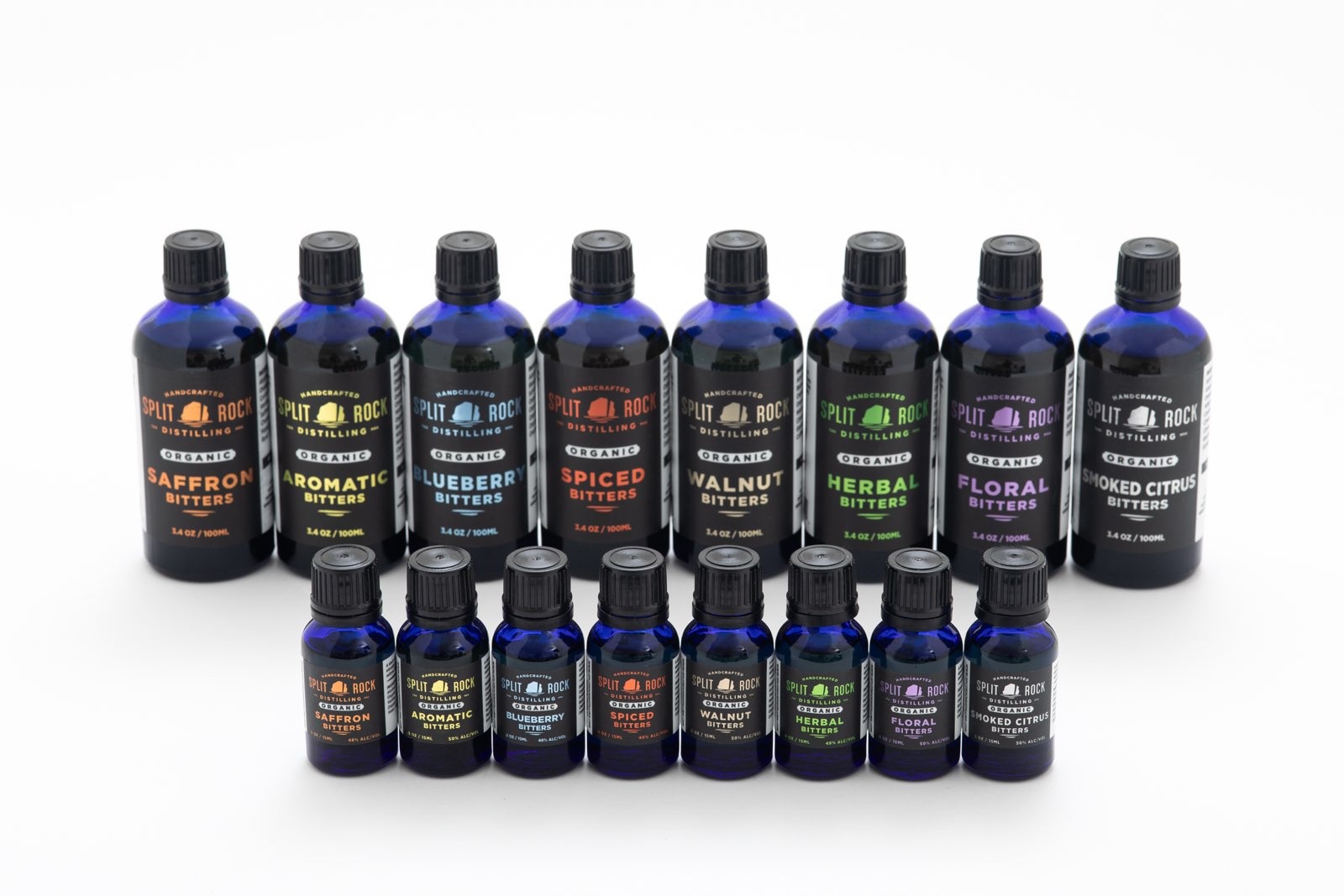
The complexity comes from a wide-ranging blend of botanicals. Bitters concoctions have been used as a form of plant medicine by cultures around the world for centuries. As a cocktail component, taste balance matters more.
Mark Hibbard, founder of Dove Shanks Bitters, a cottage business he operates out of his Portland home, put himself through taste-testing trials of the core ingredients in his line of bitters to learn how to build the most palatable combinations.
“If you’re making a curry and you’re not super-familiar with cardamom, you could easily put too much or not enough in there,” explained Hibbard, whose bitters also appear in Via Vecchia’s 50/50/50, named by Esquire magazine as one of the best martini riffs in the country. “You don’t encounter gentian root in your daily life, you can’t recall that flavor. I felt I needed to familiarize myself with what all of these things taste like.”
He learned, for instance, that sharp and woodsy gentian works better with warming spices, while earthy and slightly vegetal wormwood lends itself to citrus and fresh green herb flavors. Hibbard then crafted his bitters with particular types of cocktails in mind. “A lot of what I do is trying to find a niche in the cocktail world where we can add an element of depth.”
Dove Shanks’ Lemon Oak bitters are designed to bolster the lemon flavor in a standard like a Tom Collins, without raising acidity, while the bitters’ Orris root underscores the botanicals in gin.
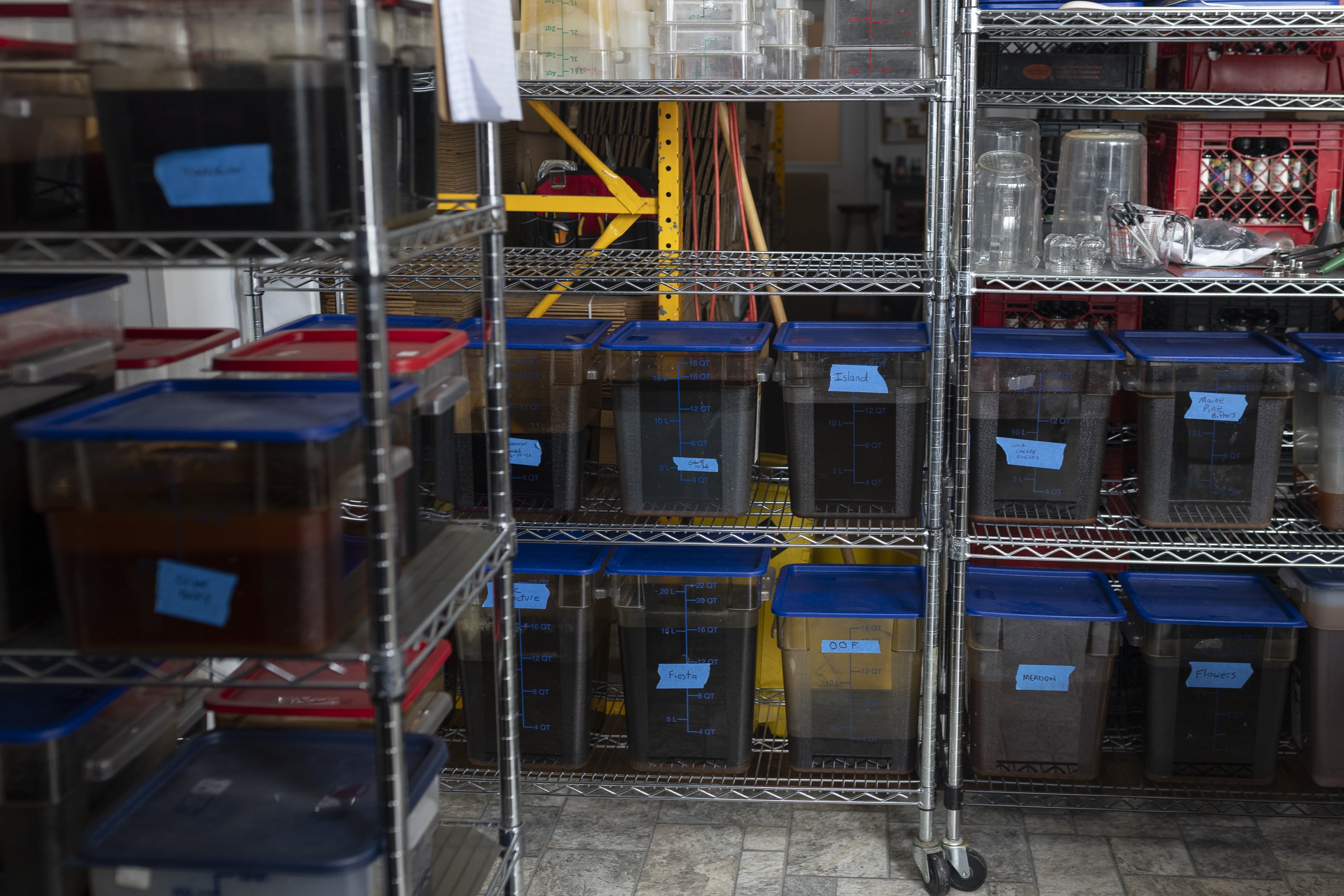
Bitters from Vena’s Fizz House in Westbrook are similarly “purpose-built,” according to co-owner Dan Cisowski. Shelves in Vena’s bitters worskhop are loaded up with about 90 tinctures — infusions of individual bittering agents and flavoring ingredients — which they combine in precise quantities to produce their line of 16 cocktail bitters.
Vena’s Island bitters are meant to enhance minty drinks like mojitos; the charred cedar and oak in their Woodland bitters pair well with barrel-aged brown spirits, Maine Pine bitters are a natural partner for gin drinks; and the lapsang souchong tea leaves flavoring their Smoke bitters play well with scotch and bourbons.
AIDED BY SOCIAL MEDIA
Khojastehzad is proud of his Iranian heritage. His left arm sports tattoos of a falcon (his first name, “Shahin,” means “royal falcon” in Farsi) and a kebab dagger threaded with lamb chunks.
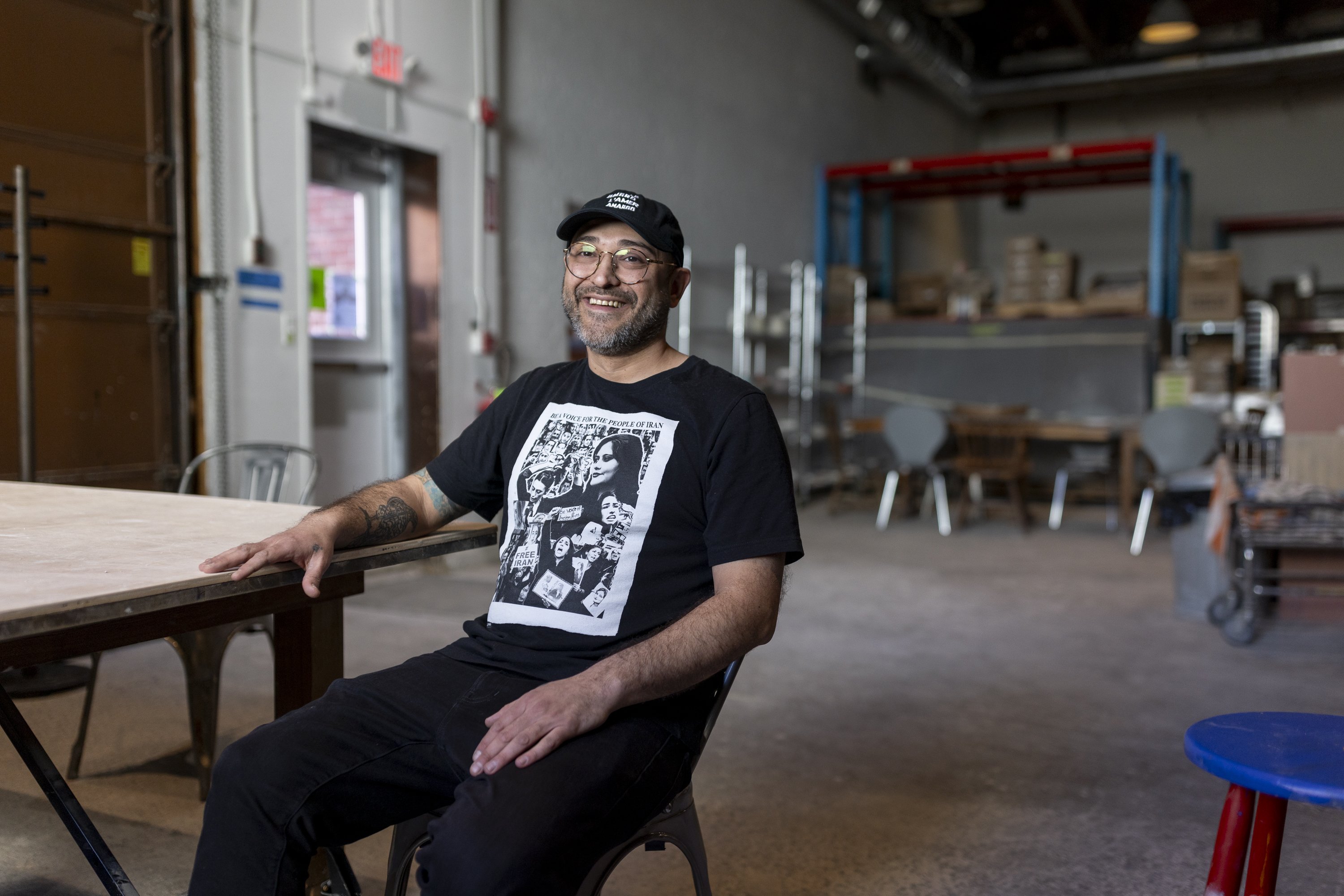
He wanted Handshake to be a versatile and accessible amaro, pairable with a variety of spirits. But he also wanted Handshake’s 29 botanicals to celebrate his Persian roots, so he included ingredients like saffron, Ceylon black tea, black fermented dried lime and sumac.
Khojastehzad uses other components that represent his experience growing up in Maine: dark maple syrup from Strawberry Hill Farms in Skowhegan; foraged spruce tips; lemongrass and galangal denoting his local Cambodian and Laotian friends; and hibiscus and sorrel symbolizing Portland’s Caribbean and Latino cultures.
The roots and barks used in bitters sound a little like the stuff of sorcerers and shamans, and they sometimes seem to cast a spell. Since buying Vena’s about a year ago, Cisowski said he has quickly become enamored with the taste. “When I’m stirring these every week during the extraction, I taste them (undiluted) and it’s my favorite part of the job. My wife tells me not to let people taste these straight — they’re not meant to taste straight.”
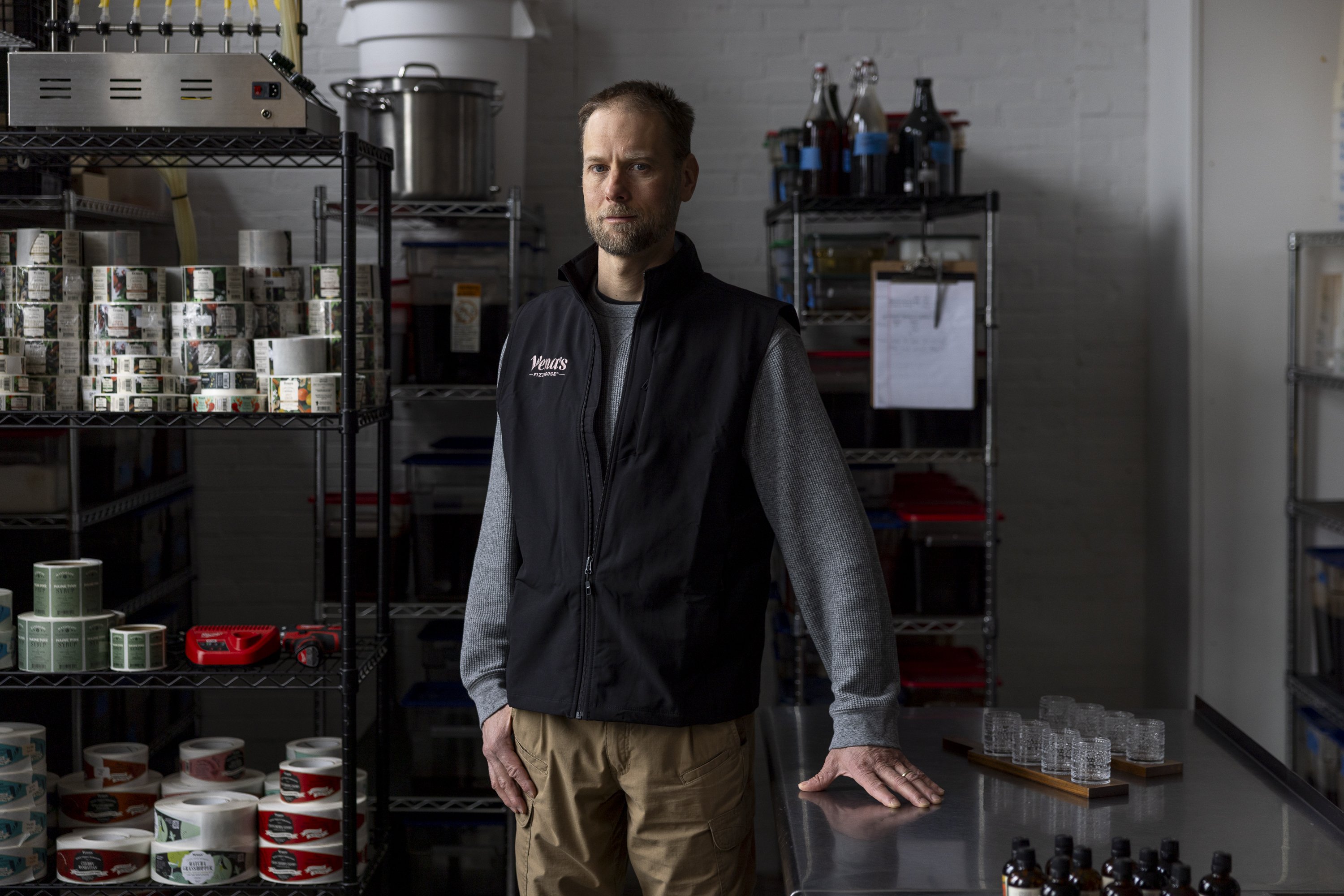
The majority of Vena’s sales comes from its craft cocktail and mocktail infusions, but their bitters business — made up mostly of “sophisticated home mixology enthusiasts” — is significant and has been creeping upward over the past year, Cisowski said. He and others credit social media with bringing greater awareness to the esoteric world of bitters and digestifs.
“Now, you’ve got influencers making good drinks and putting them out there, and suddenly 10,000 people or more see it in a couple days,” Hibbard said.
But Hibbard cautions prospective bitters producers about the market’s built-in economic limitation: A little of the stuff goes a long way, which inhibits repeat business.
“Even if you’re an avid cocktail maker at home, you’re probably not going through a bottle of bitters in a year,” said Hibbard, who is also beverage director at Via Vecchia. “I look at (Dove Shanks) as one step above a hobby. It’s something I can have fun with, and it pays for itself.”

SAFFRON MARTINI
This recipe from Hunt + Alpine plays off the saffron notes in Portland’s Handshake amaro bitters. Hunt uses a 2:1 honey to water ratio for its honey syrup, and they garnish the drink with an Asian chile thread.
Yield: 1 drink
3 tablespoons (1.5 ounces) gin
3 tablespoons (1.5 ounces) blanc vermouth
1 ½ teaspoons (0.25 ounces) Handshake digestif
1 ½ teaspoons (0.25 ounces) honey syrup
Small and large ice cubes, for mixing and serving
Build drink in a mixing tin containing 1-inch ice cubes. Stir. Strain into a 10-ounce tumbler. Pour into a glass with a large ice cube to serve.

We invite you to add your comments. We encourage a thoughtful exchange of ideas and information on this website. By joining the conversation, you are agreeing to our commenting policy and terms of use. More information is found on our FAQs. You can modify your screen name here.
Comments are managed by our staff during regular business hours Monday through Friday as well as limited hours on Saturday and Sunday. Comments held for moderation outside of those hours may take longer to approve.
Join the Conversation
Please sign into your Sun Journal account to participate in conversations below. If you do not have an account, you can register or subscribe. Questions? Please see our FAQs.