

EDITOR’S NOTE: This story is the third in a series examining homeschooling in rural Maine and its growing popularity.
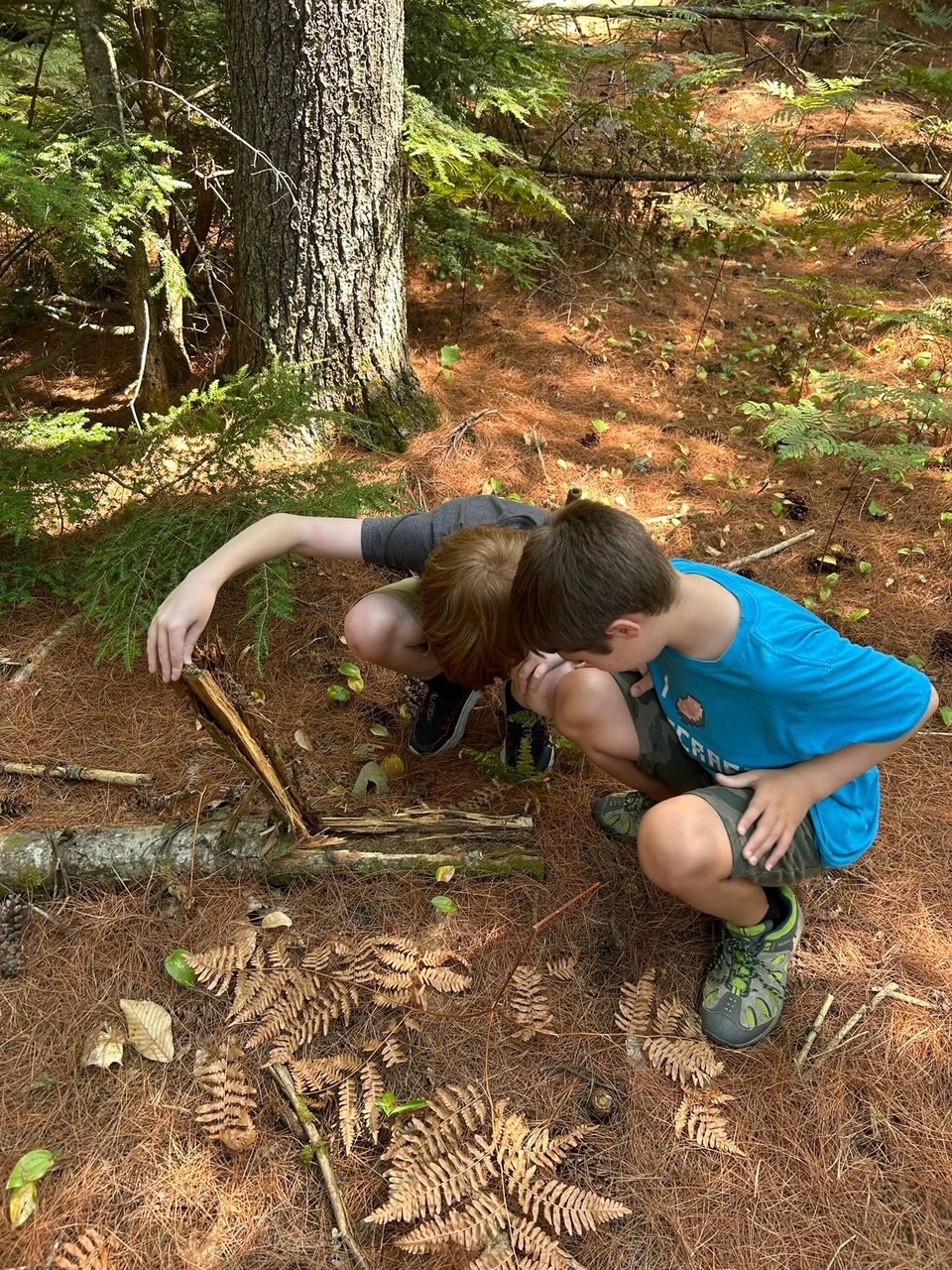
At Sweet Tomatoes Learning Center in Jay, getting outside and interacting with nature takes center stage. Working with animals has become a way for students to connect learning with the real world.
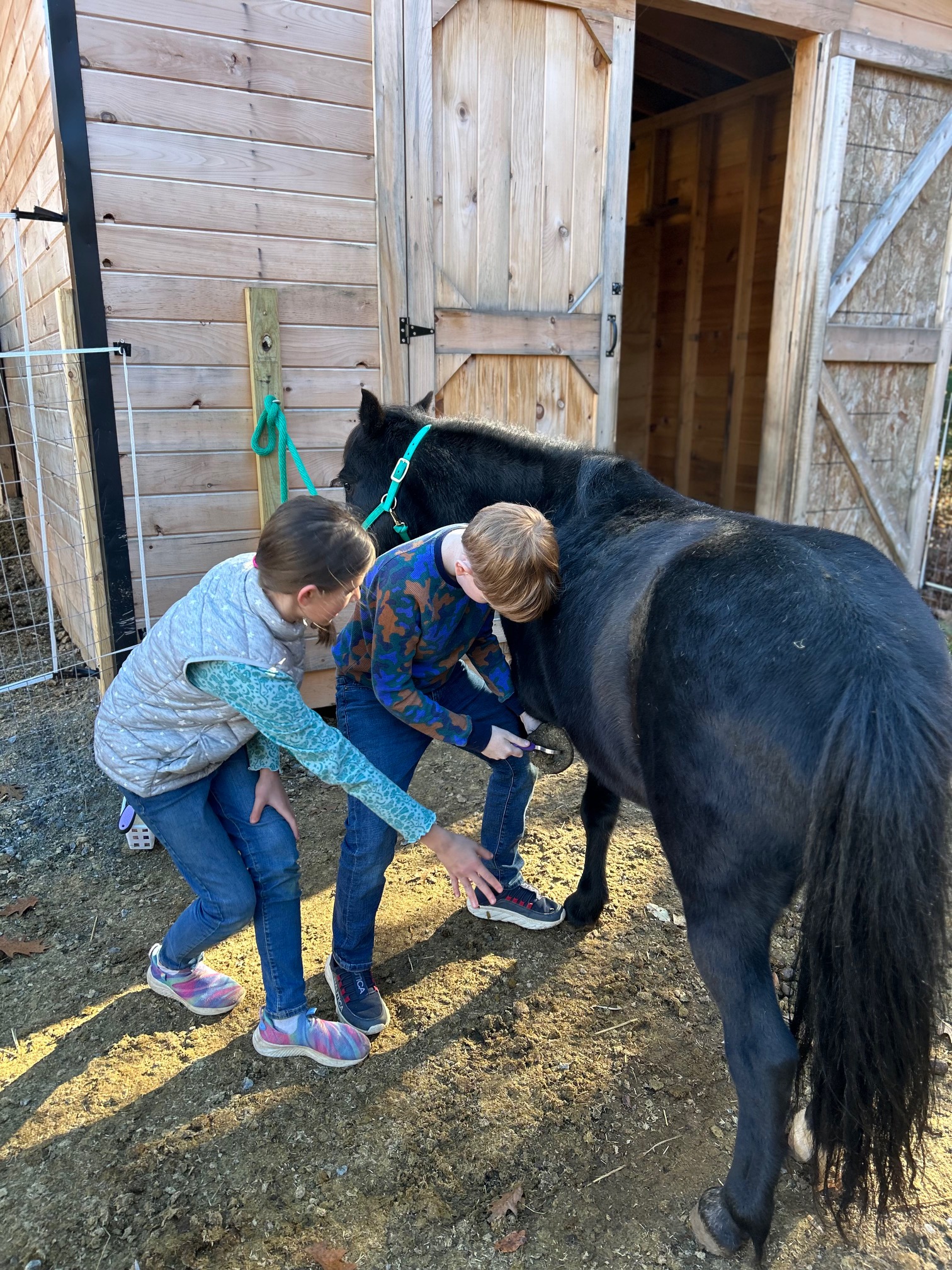
“We explore the woods and fields and enjoy our mini horses, chickens, rabbits, and cats and dogs on a regular basis, caring for them, interacting with them and building confidence in the students along the way,” founder Kathleen Reed said.
Reed said the program was created specifically to provide an alternative environment for students who learn best through direct experience.
“There’s something about animals that help kids focus and connect with them on a deep basis, allowing them to build and improve their empathy and sense of responsibility.”
Homeschooled families across western and central Maine describe learning as deeply integrated into daily life, shaped by nature, community experiences and individualized approaches that respond to each child’s needs.
“I have been in education for decades in many different roles, in public, private, charter and homeschool co-ops,” Reed said.
She is a certified teacher for grades pre-K through 12, holds a master’s degree in educational leadership and principal credentials, and is also an attorney.
She said the center grew from her family’s experience.
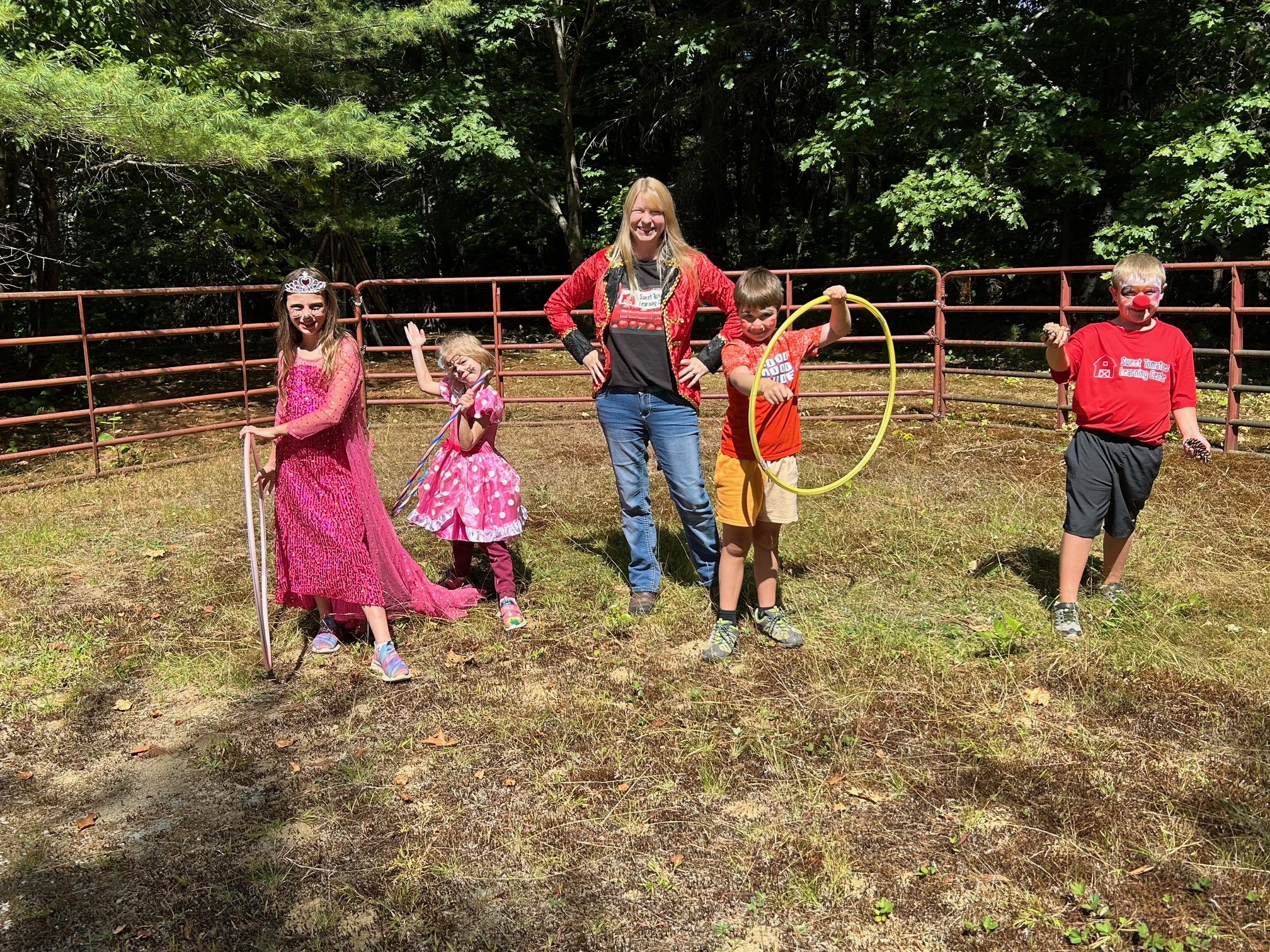
“The original inspiration for STLC was our adopted daughter’s need for an alternative learning environment,” Reed said. “She struggled in public school, and I was tired of the push for ‘standardized everything’ in the public schools.”
“I knew we would need to create a whole new type of learning environment for kids like our daughter who needed to be outside in nature, playing and exploring in order to connect their passion for learning to the real world,” she said.
Reed said her family previously operated a state-approved private school in Chehalis, Washington, and later relocated to Maine, initially planning a program in Auburn before ultimately establishing the learning center in Jay. The program began with summer sessions in August 2024.
“We started with summer school in August 2024 in Jay,” Reed said. “We started with a prediction that we would be serving mostly younger preschool and kindergarten students who needed child care hours full time. But we’ve actually had a mix of homeschoolers of all ages (4-11 currently), who mostly want one or two days per week.”
She said starting a program in a rural region presents financial challenges, but she believes it fills an important need.
“It has been challenging to be starting a new program in a rural area with limited income and less potential customers,” Reed said. “But we’ve built quite a program and we feel lucky to get to serve students who aren’t in public school because they need something different.”
At Sweet Tomatoes, Reed said learning is intentionally hands-on and student-centered.
“We go outside every day for many hours each day,” she said.
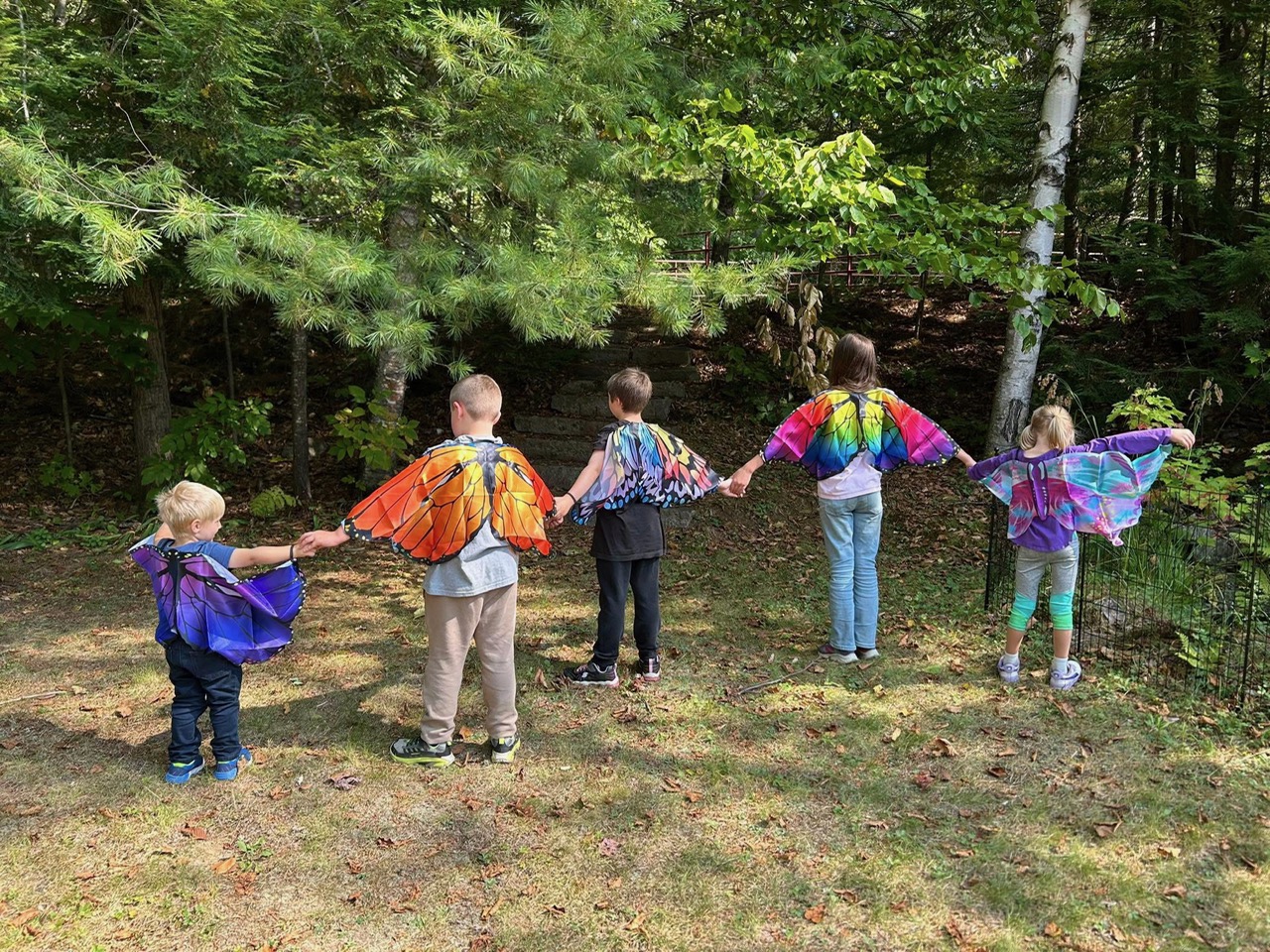
Students apply academic skills through real-world experiences.
“We hike and use real-world examples of history and change and mathematical patterning, etc., and we write about what we see and do,” Reed said. “We have done mathematical problems regarding how much feed the animals need, and created their own mock businesses to practice budgeting.”
She said engagement happens naturally when learning is connected to real experiences.
“And the best part is that the students don’t even realize they are learning, they are having so much fun,” she said.
Enrollment is intentionally limited.
“We only plan on having up to 10 students enrolled, plus our daughter,” Reed said.
“Our students are excited to attend each day, and we sometimes have tears when it’s time for them to go home.”
She described the program’s flexible structure.
“We don’t have typical weeks or days,” Reed said. “Every day of the week we have a different combination of students attending, every day we explore new areas and discuss new things, and every minute there’s something new to think about.”
OUT IN THE COMMUNITY
Cherry Poirier, of Livermore Falls, said homeschooling allowed her daughter to grow without the pressure she experienced in larger school environments.
Her daughter recently earned second place in the junior pencil portrait category at the Farmington Fair, an achievement Poirier attributes to having time to pursue creative interests seriously. She said her daughter has flourished socially through connections with other homeschool families.
Parents said libraries play a central role, particularly daytime programming accessible to families learning outside traditional school hours. Frequently used libraries include Jay-Niles Memorial Library, Treat Memorial Library in Livermore Falls, North Livermore Public Library, Rangeley Public Library, Kingfield Public Library, Farmington Public Library, Wilkins House Library in Wilton, Phillips Public Library and Carrabassett Valley Public Library.
Arts and performance also provide learning opportunities. Families attend student matinees at Monmouth Community Players and participate in hands-on exploration at the Children’s Discovery Museum in Wilton.
Kineowatha Park and Wilson Lake in Wilton are favorite spots for homeschooled families, where even a day at the pond becomes learning, observing wildlife, exploring nature and swimming side by side.
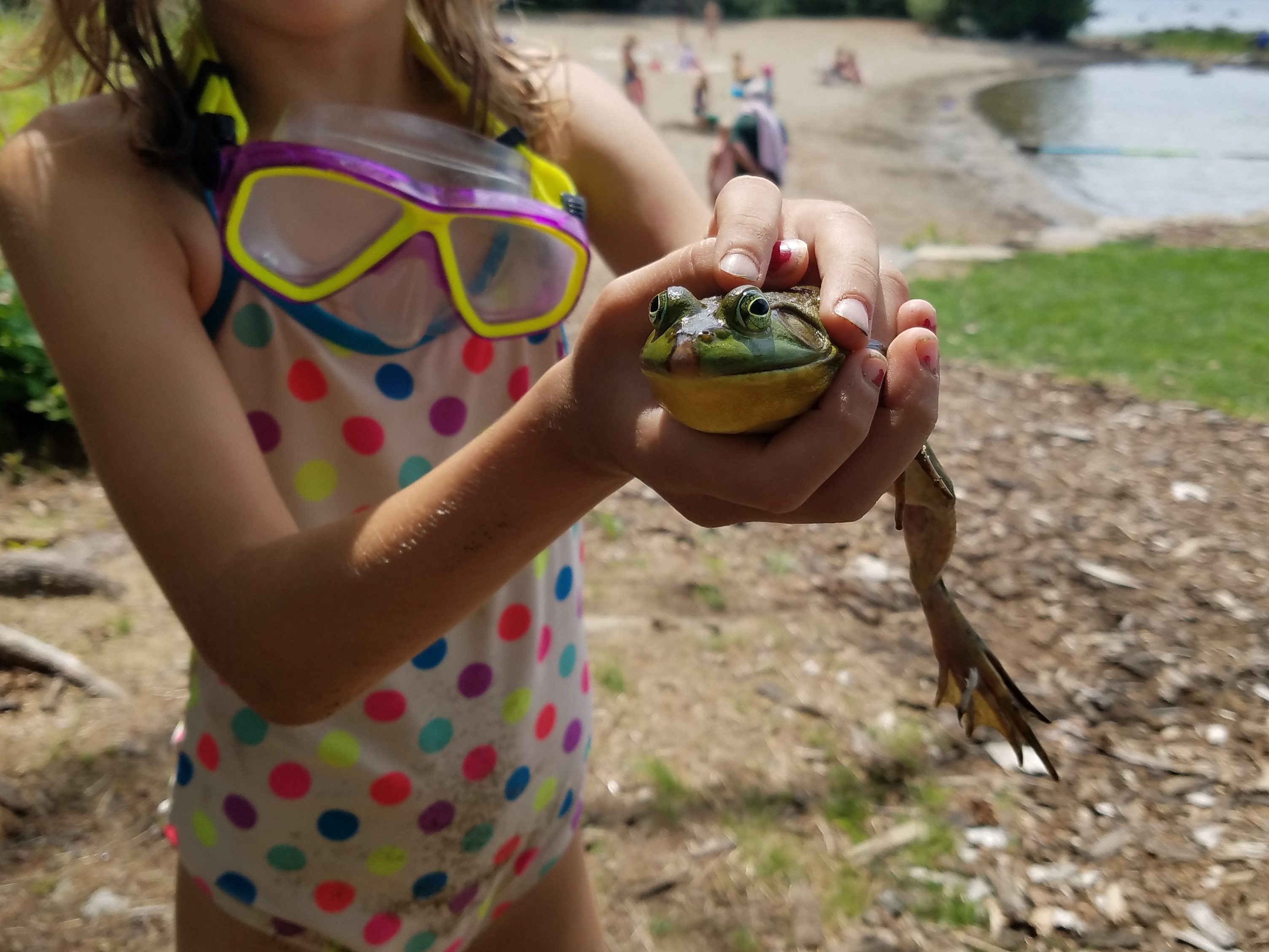
Seasonal programs at Kineowatha Park in Wilton, swimming at the University of Maine at Farmington pool and community recreation programs are commonly incorporated into physical education.
Outdoor learning is central. Families visit Mount Blue State Park, Tumbledown Preserve, the Whistle Stop Trail, Rangeley Lakes Trail Center and conservation lands across Franklin County.
Agricultural learning includes apple picking at Ricker Hill Orchards, visits to Boothby’s Orchard, blueberry and strawberry picking, maple syrup season trips, and local farm visits.
Regional museums such as the UMF Art Gallery, Franklin Historical Society, Rangeley Lakes Region Historical Society and town historical societies provide opportunities to connect learning with local culture and history.
Reed said community support has helped sustain the program. Sweet Tomatoes recently hosted state officials who are reviewing regulatory barriers affecting small educational programs on farms.
She said they met with state Sen. Joseph Martin, of Rumford, and state Rep. Sheila Lyman, of Livermore Falls, who toured the center.
“They are working to help change laws and hopefully influence some rule changes to reduce the inequity about the outbuildings on farms having to be lead safe, and working on finding more ways we can include more kids in private educational programs who don’t always fit the public schools,” Reed said.
She said the state requirements affecting farm outbuildings, even when they are not used for instruction, can create financial and administrative burdens for small programs operating in rural areas.
PERSONALIZED LEARNING
Nicki LeBlanc, of Wilton, said she homeschooled her two children for 12 years, beginning after her son struggled in public school when they lived in Livermore Falls.
“My son is on the autism spectrum and during his first-grade year we were unable to get him the supports he needed and we felt we could provide a more targeted education for him at home,” LeBlanc said.
She said homeschooling allowed her to tailor instruction to each child’s needs.
“My son responded better to traditional approaches, worksheets, tests, etc.,” she said. “My daughter, on the other hand, wanted a more hands-off approach, allowing her to direct her learning to her areas of interest.”
Her son later demonstrated strong academic success. “My son took his HiSet test when he was 17 and got a near perfect score, and is now attending SNHU for game design and development,” LeBlanc said.
Her daughter recently transitioned into public high school successfully.
“She was right on par with her peers in most classes and way ahead in others,” LeBlanc said.
She said homeschooling helped foster independence, “a feeling of being in control of their learning that they found being here at home,” she said.
It has also brought significant responsibility, LeBlanc added, as well as burnout.
“Homeschooling isn’t easy,” she said. “For me, it wasn’t just the day-to-day of it but knowing that I was it. I was the one who would prepare them for their future, it caused a whole lot of anxiety.”
She encouraged families to trust the process.
“Relax,” LeBlanc said. “You are doing better than you think you are, and your kids will learn everything they need.”
LeBlanc said the homeschooling format is based in flexibility, allowing students to “leave school for homeschooling or leave home schooling for public school at any time.”
“If there is one thing I could say about our journey is that nothing is set in stone,” she said.
Reed said programs like Sweet Tomatoes aim to expand opportunities while remaining small and personalized.
More broadly, she said outdoor learning plays a vital role in child development.
“Having access to nature is very important for child development,” Reed said. “It’s imperative we get our kids outside more.”
EDITOR’S NOTE: Writer Rebecca Richard has homeschooled her eight children and is an administrator at Freedom Academy.

We invite you to add your comments. We encourage a thoughtful exchange of ideas and information on this website. By joining the conversation, you are agreeing to our commenting policy and terms of use. More information is found on our FAQs. You can update your screen name on the member's center.
Comments are managed by our staff during regular business hours Monday through Friday as well as limited hours on Saturday and Sunday. Comments held for moderation outside of those hours may take longer to approve.
Join the Conversation
Please sign into your Sun Journal account to participate in conversations below. If you do not have an account, you can register or subscribe. Questions? Please see our FAQs.