


PRESQUE ISLE — After decades of sputtering idle, the engine powering the Mi’kmaq Nation is revving up.
Among a portfolio of growing enterprises, the Wabanaki tribe is developing an ambitious housing project that will make available for purchase, for the first time ever, affordable homes on Mi’kmaq Nation tribal land. And they’re cutting their timber to make it happen.
Not all engines are humming along, however.
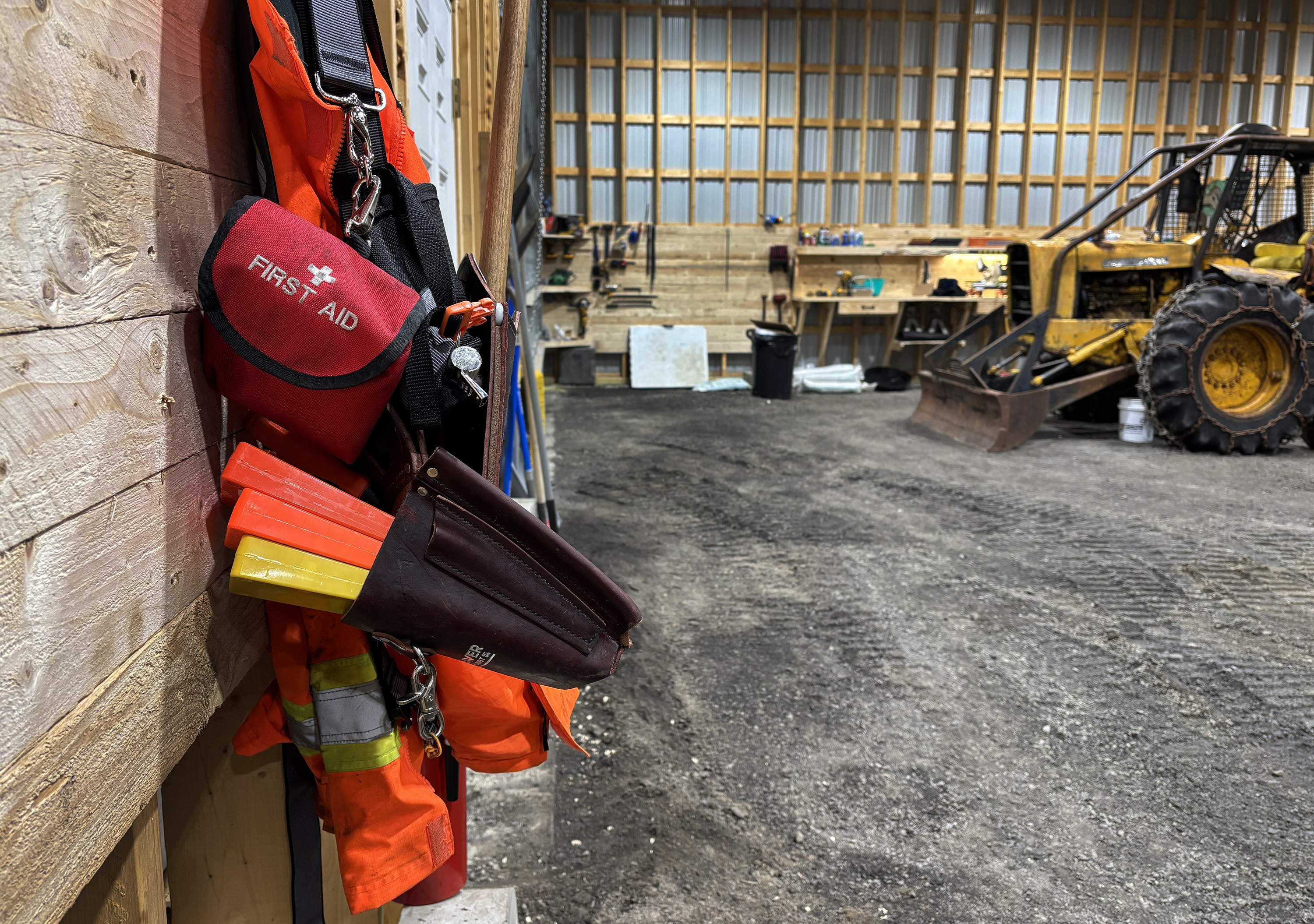
The 50-plus-year-old John Deere skidder loggers are using to clear a 72-acre plot of tribal trust land near Caribou is both older and more tantrum-prone than Shannon Hill, the tribe’s tenacious environmental health director overseeing the operation.
But it’s adequate for the time being, Hill said.
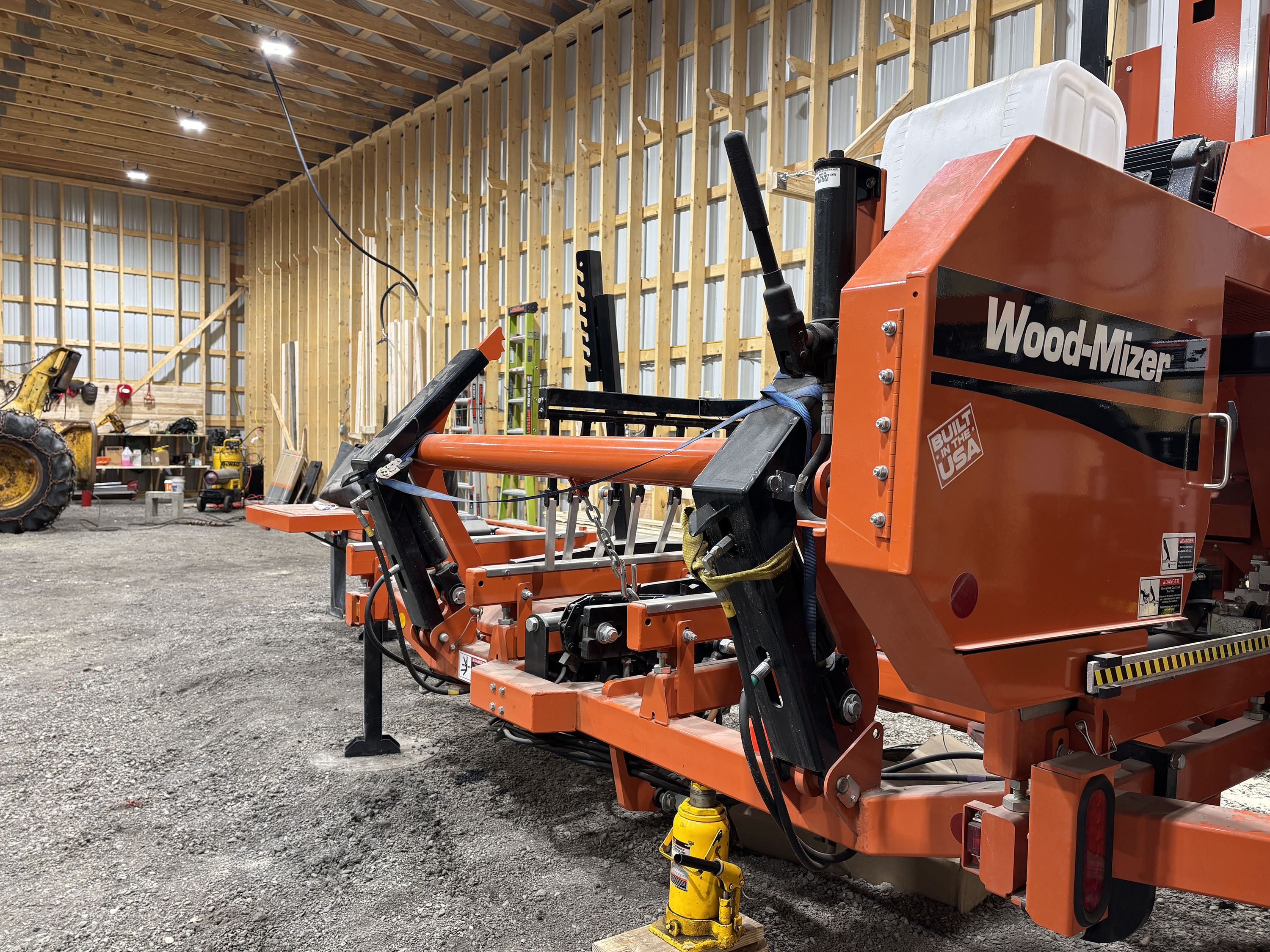
And soon, a new motor will roar alive — or buzz, as the case may be — on Mi’kmaq territory: a sawmill.
The loggers are stockpiling softwood timber from the future housing site. Once milled into lumber, that wood will return to the site of its harvest, where contractors next year will break ground on 18 homes for tribal members.
“It’s a full circle,” Hill said. “That’s sovereignty at its best right there.”
The Mi’kmaq Nation, which became federally recognized in 1991, has historically enjoyed less authority over its own affairs than the other three Wabanaki Nations in Maine, which secured a certain level of self-governing authority in 1980.
That changed in 2023, when the Mi’kmaq Restoration Act brought some parity to the individual authority of each of the four Wabanaki Nations.
Now, Mi’kmaq officials say they’re firing on all cylinders.
The overgrown forest land is unhealthy due to a lack of management, a tribal forester said in planning documents submitted to the Bureau of Indian Affairs, and has never been harvested by the the tribe.
He estimated there’s $30,000 of timber there, including $24,000 of mill-worthy studwood.
It’s not nearly enough to build 18 homes, and Hill says the tribe has sunk north of a half-million dollars into the entire project. But the three new jobs, professional development and expansion of tribal business — the sawmill will eventually be open to customers region-wide — are all a benefit, tribal officials say.
In mid-March, the timber crew had just finished their chainsaw safety training. A set of virgin plastic wedges, with edges not yet mangled by the butt of an axe, lay nested in a logging belt hanging on the wall of the sawmill barn.
By late April, the crew had delivered enough logs to make 7,500 feet of 2x4s. The mill will start sawing when the mud forces harvesting to stop.
The housing project is itself an unprecedented step for the Mi’kmaq Nation, which until now has only offered 117 subsidized rental units to tribal members making less than 80% of the area median income, or $68,000 for a family of four.
That’s pushed people like Cherish Cole, who manages the Mi’kmaq Nation’s water lab, to live off tribal lands, where property taxes are high, rents are higher and Mi’kmaq culture is diluted.
Cole is among those working to get pre-qualified for a mortgage with the hope that she’ll be able to purchase one of the 18 homes, which will not have a qualifying income cap.
“I don’t ever want to leave this community,” Cole said.
Tribal officials expect construction to cost $7 million, but it’s unclear how much each home will sell for. Federal grants will subsidize costs based on the size of the loan buyers can secure, meaning that people earning higher incomes will pay more. The land the homes sit on will remain owned by the federal government in a trust for the tribe.
That means homeowners will be exempt from state property tax. And, Hill pointed out, it means they can drum and dry animal skins in the yard without getting funny looks from the neighbors.
“When you’re around your own people, you’re around your culture all the time,” she said.
Cole convinced her friends to go to the first-time homeowners course with her. She hopes someday they’ll all be neighbors.
Reuben M. Schafir is a Report for America corps member who writes about Indigenous communities for the Portland Press Herald.

We invite you to add your comments. We encourage a thoughtful exchange of ideas and information on this website. By joining the conversation, you are agreeing to our commenting policy and terms of use. More information is found on our FAQs. You can update your screen name on the member's center.
Comments are managed by our staff during regular business hours Monday through Friday as well as limited hours on Saturday and Sunday. Comments held for moderation outside of those hours may take longer to approve.
Join the Conversation
Please sign into your Sun Journal account to participate in conversations below. If you do not have an account, you can register or subscribe. Questions? Please see our FAQs.