


The Jackson Laboratory, Northern Light Health and University of Maine are collaborating on the research.
Health
Posted inHealth, Local & State, News
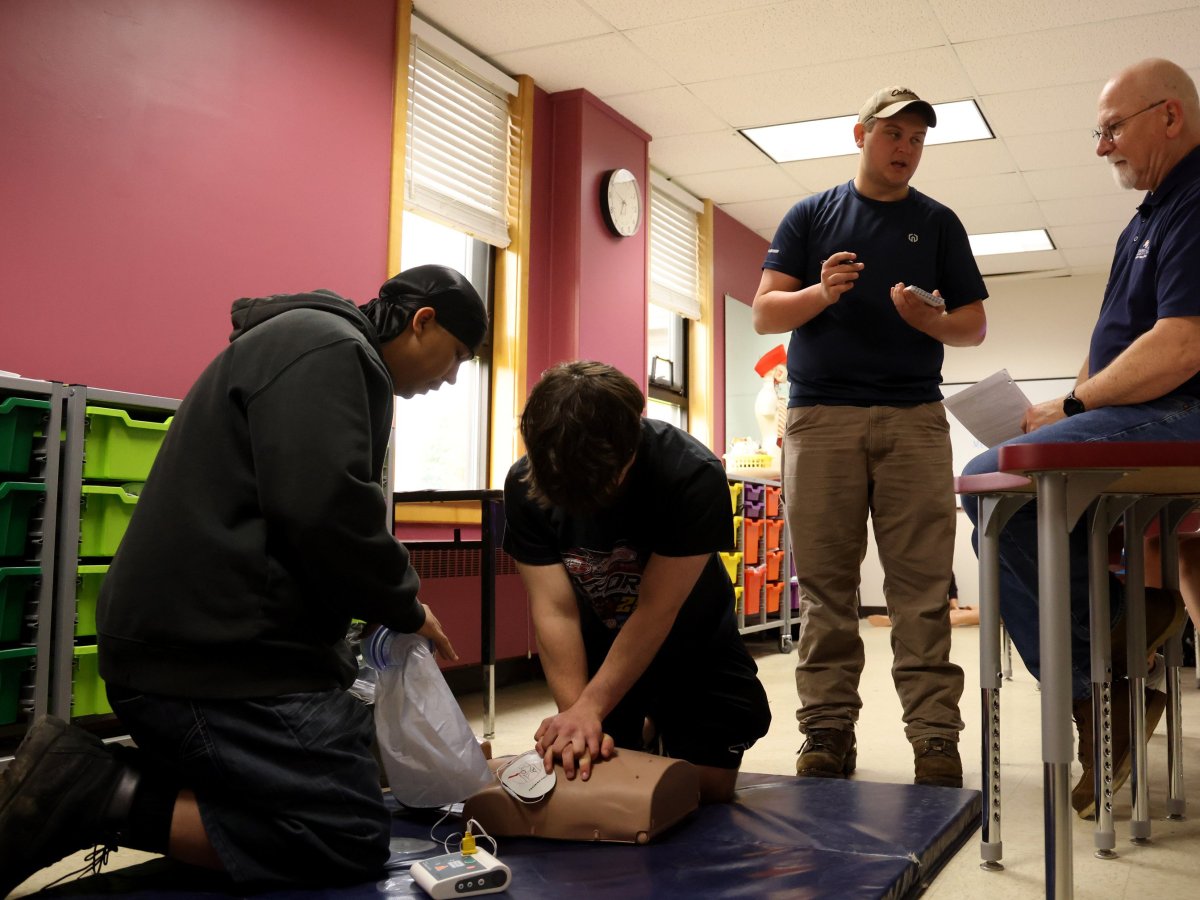
Groundbreaking Kennebec County mobile medical program to shift focus

Doctors from the MD3 program in Kennebec County hope to continue their work with first responders to reverse overdoses in the county.
advertisement

Posted inHealth, Local & State, News, Outdoors
Maine officials urge caution, training after recent slew of water emergencies

A decline in swimming education, a lack of lifeguards and water temperatures that are often icy cold even when it’s hot out are all risk factors that swimmers and boaters should consider.

Posted inBusiness, Health, Lewiston-Auburn, Local & State, News
Few turn out for public hearing on CMMC’s acquisition

The public has until Aug. 7 to submit written comments on the move by Prime Healthcare Foundation of California to take over the Lewiston hospital.
Posted inBusiness, Health, Lewiston-Auburn, Local & State, News
Healthy Androscoggin faces funding cuts from ‘Big Beautiful Bill’
The funding cuts come more than six months after the public health organization became independent of Central Maine Healthcare.
Posted inFact Brief, Health, Local & State, News
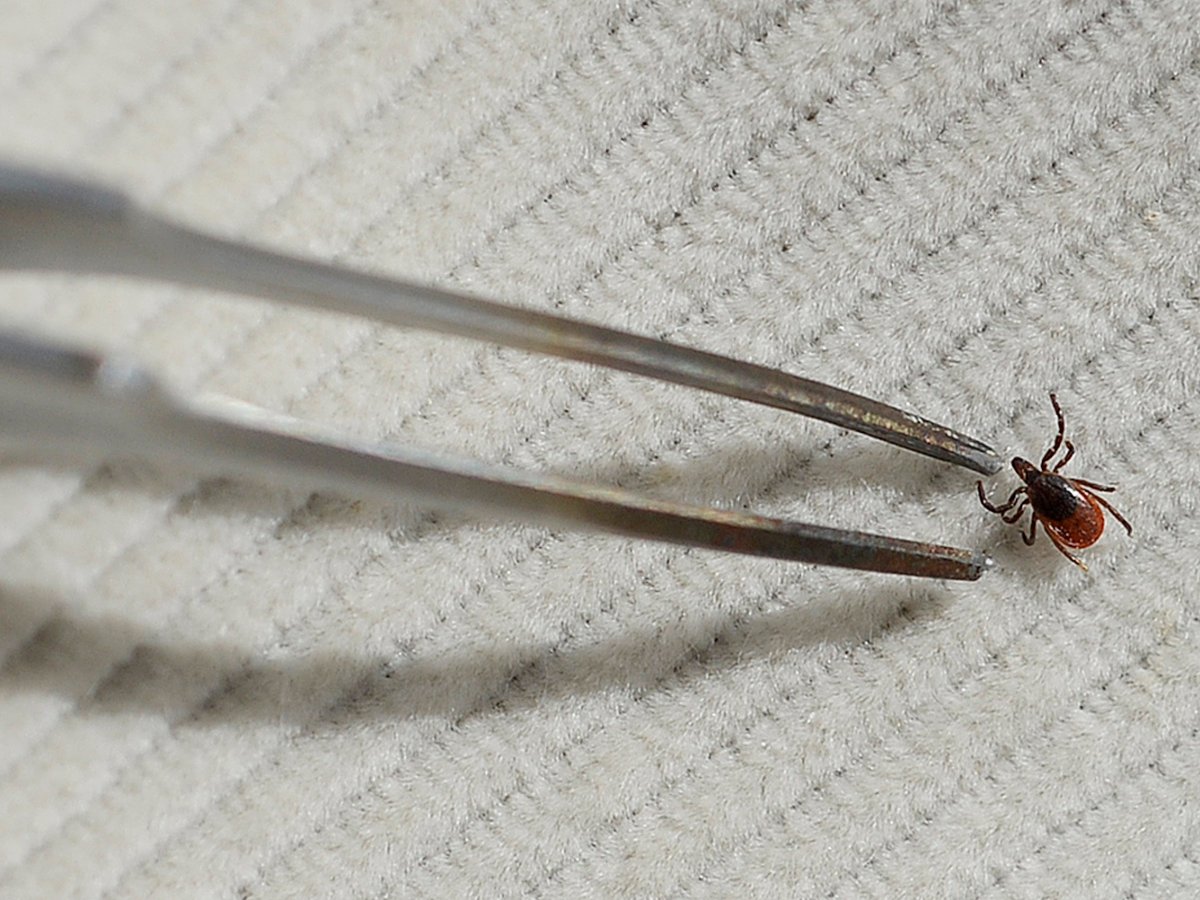
Does tick season in Maine end during the summer? | Fact brief
The blood-sucking arachnids’ activity peaks at multiple times throughout the year, depending on species and life stage.

Posted inHealth, Local & State, News
Maine high court vacates part of damages paid to family of man who died after misdiagnosis

Justices ruled that Mercy Hospital should not have been mandated to pay $2 million in economic damages to the parents of 25-year-old Peter Smith, who died in 2017 from complications of Lyme disease.

Posted inHealth, Local & State
How Maine’s tobacco tax increase will impact public health, economy
While smokers argue they are being targeted, public health advocates are cheering ‘a significant victory.’

Posted inHealth, Local & State, Nation / World, Politics
Maine’s rural hospitals brace for impacts after Senate approves Trump Medicaid cuts
The sweeping policy bill approved by the U.S. Senate Tuesday is expected to cut off health coverage for tens of thousands of Maine residents, adding to financial pressures on the state’s already strained hospitals.

Posted inHealth, Local & State, News, Politics
Trump’s tax, spending law will slash food assistance for thousands of Mainers
The One Big Beautiful Bill Act will force Maine to cover tens of millions in costs for the Supplemental Nutrition Assistance Program — costs that Gov. Janet Mills says the state ‘simply cannot absorb.’