
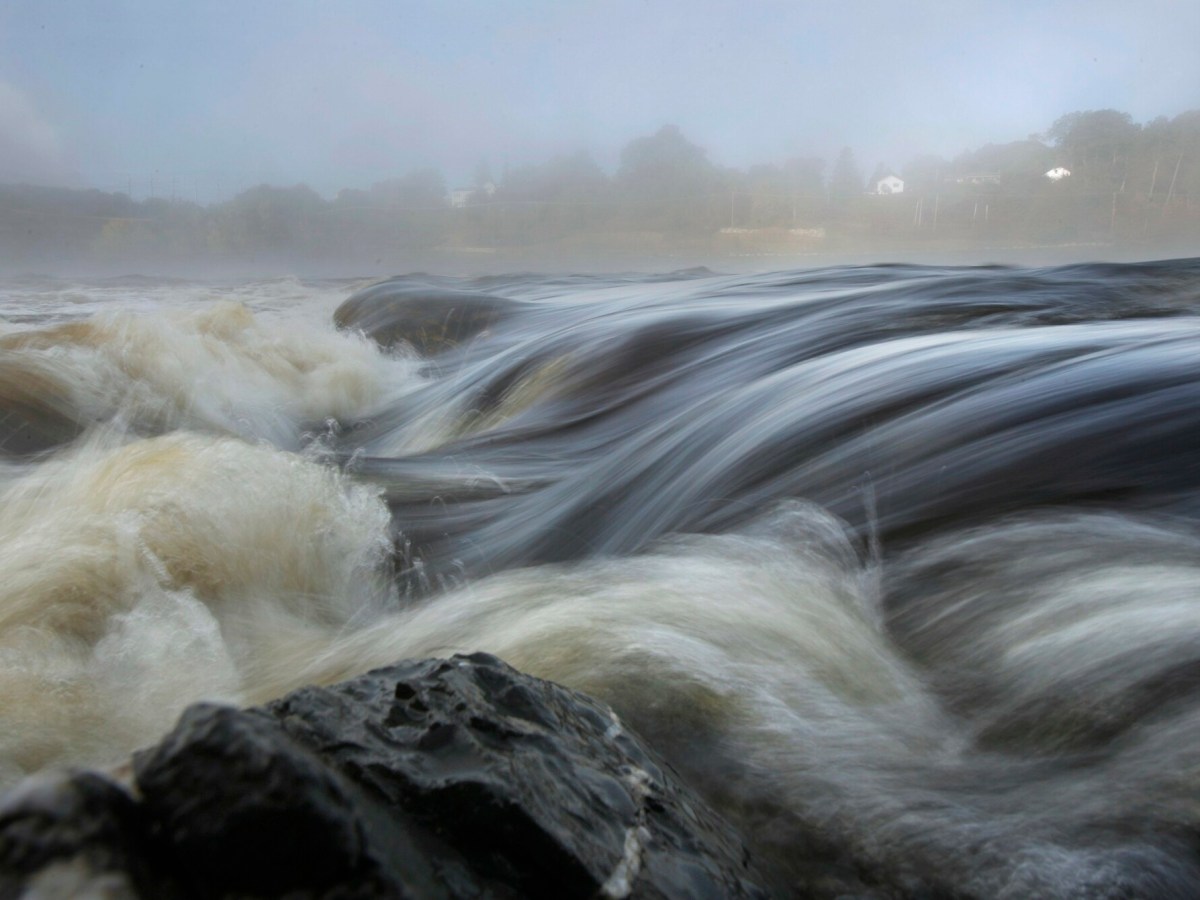

For eight years, state government did little to deal with the impacts of a warming Gulf of Maine. That’s starting to change.
environment
Posted inBusiness, Maine
Gulf of Maine Research Institute launches virtual climate center

It will identify solutions to rising sea temperatures in a part of the ocean warming faster than almost any other.
advertisement

Posted inMaine, News
Arundel farmers say their blood samples show high levels of ‘forever chemicals’

Fred and Laura Stone’s dairy farm has been shut down because of contamination from PFAS they say got into their water, soil and cows’ milk from municipal sludge used as fertilizer.
Posted inMaine, New England, News, Politics
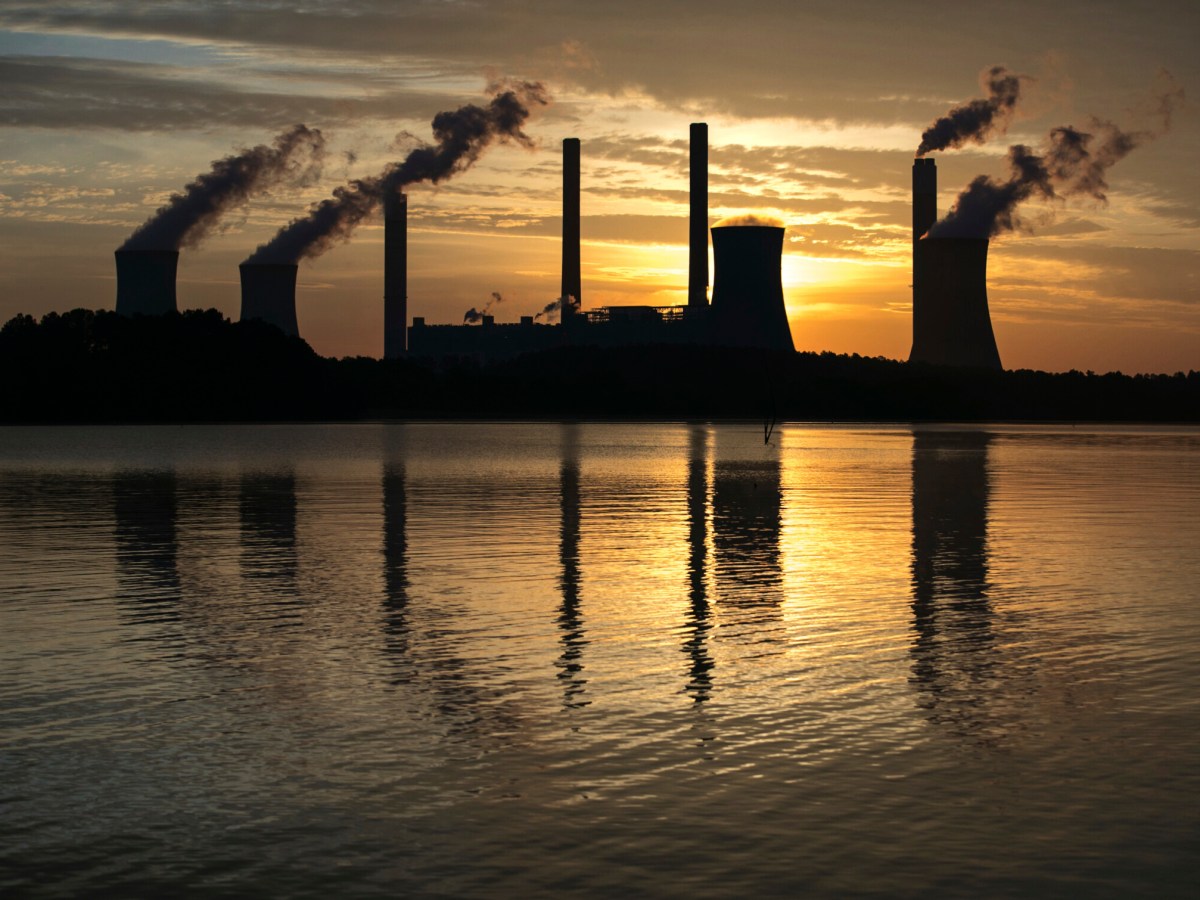
Maine joins lawsuit challenging Trump’s move to allow more climate-altering gas emissions
Attorney General Aaron Frey added Maine to the more than 2 dozen state and local governments trying to protect Obama-era regulations that sought to reduce greenhouse-gas emissions from power plants.
Posted inMaine
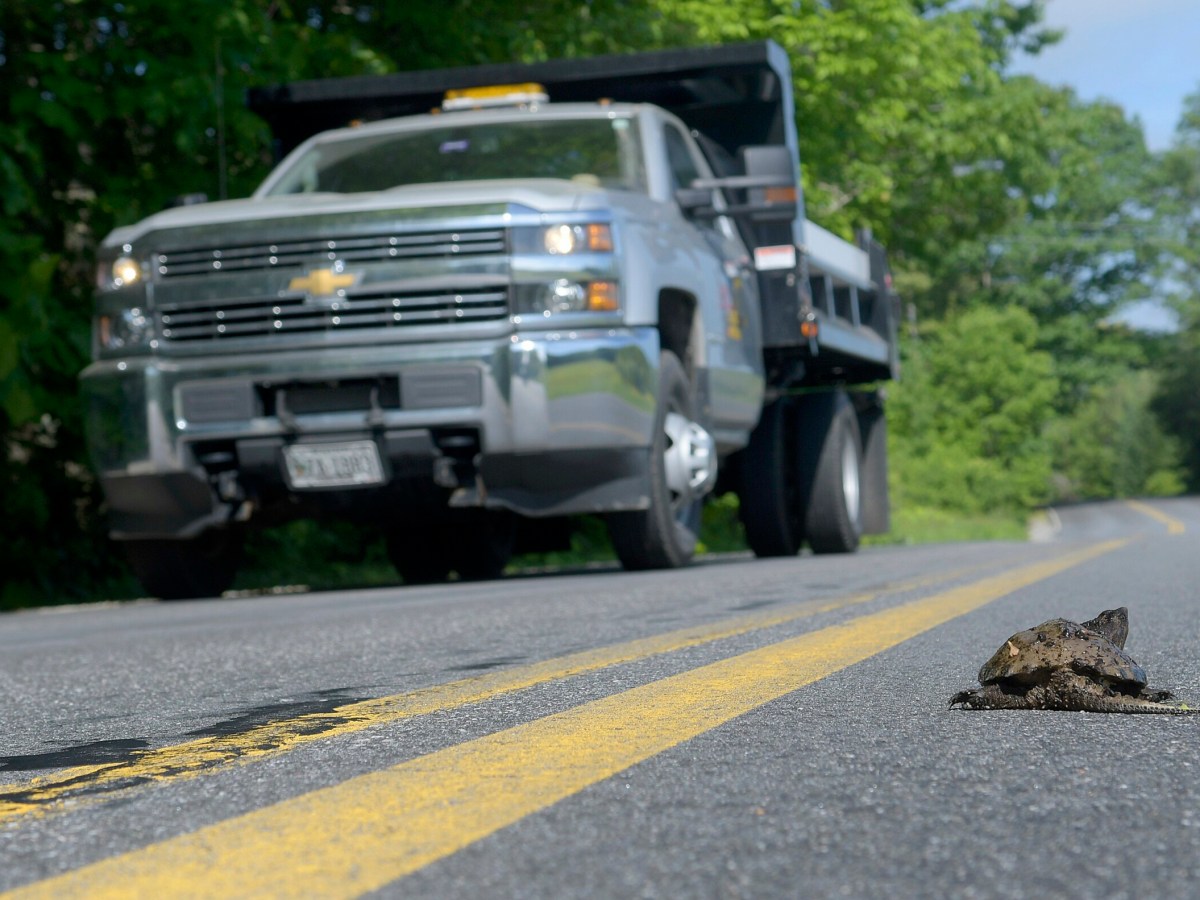
Hit the road: State, other groups working to protect central Maine’s wildlife on the highway
The Maine Department of Inland Fisheries and Wildlife is partnering with University of California-Davis and Maine Audubon to identify hot spots and prevent animals from being killed by traffic.
Posted inBusiness, Maine, News
State says Maine milk passes tests for ‘forever chemicals’
But health advocates call for more testing for PFAS contamination on farms that fertilize with treated sludge.

Posted inBusiness, Maine, News, Politics
Winners and losers of the 2019 legislative session
Democrats used their legislative majority and control of the Blaine House to push through many bills in health care, education and the environment, but some measures still fell by the wayside.
Posted inBusiness, Maine, News, Politics
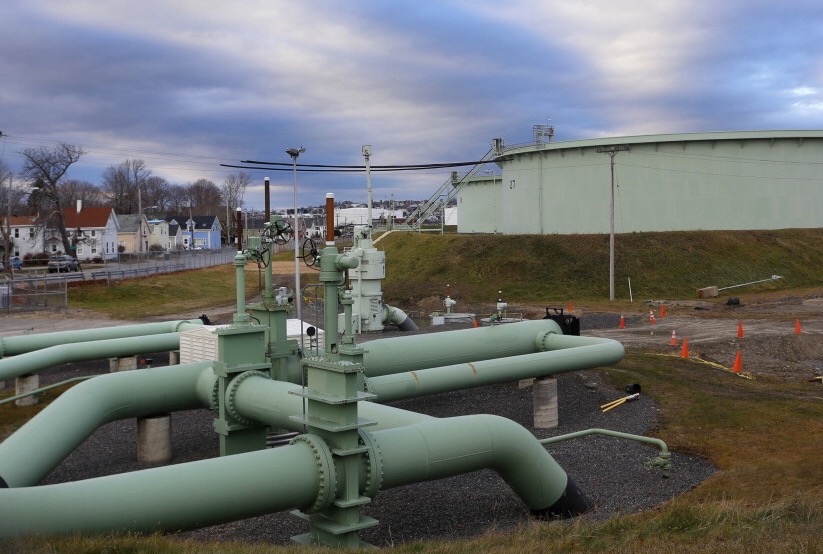
Mills signs bill requiring state to alert communities to federal air quality violations

The new law comes after South Portland residents complained they were not notified of air quality violations from a petroleum tank farm along the Fore River.

Posted inLewiston-Auburn, Maine
Bates College achieves carbon neutral status to help stave off climate change

Bates is the seventh college in the country to reach its goal pronounced in 2007.

Posted inMaine, News
Scientists link warming of Gulf of Maine to decline in right whales’ food supply
Copepods, the flea-like creatures the whales feed on, have sharply declined with rising water temperatures.