


Defend Our Health officials say Casella, which contracts with 30 wastewater treatment plants for sludge removal, says company data shows the situation for Casella is not as dire as portrayed, but Casella characterizes the allegation as insulting and dishonest.
PFAS

Posted inBusiness, Nation / World, News
Communities await first U.S. limits on ‘forever chemicals’
The EPA is expected to propose restrictions on harmful ‘forever chemicals’ in drinking water after finding they are dangerous in amounts so small as to be undetectable.
advertisement

Posted inMaine
No immediate solution to Maine’s sludge problem

At the Scarborough sewer plant, one of roughly 3 dozen in the state that can no longer send all of their sludge to a state-owned landfill, a truck picks up 30 tons just in time to avert a potential public health emergency.
Posted inLivermore Falls Advertiser
Wilton select board approves new water/sewer budget

Wilton select board approved their new water and sewer budget for 2023 on Tuesday, Feb 21, with little wiggle room for new tools and the potential for a steep increase in sewer rates.
Posted inMaine
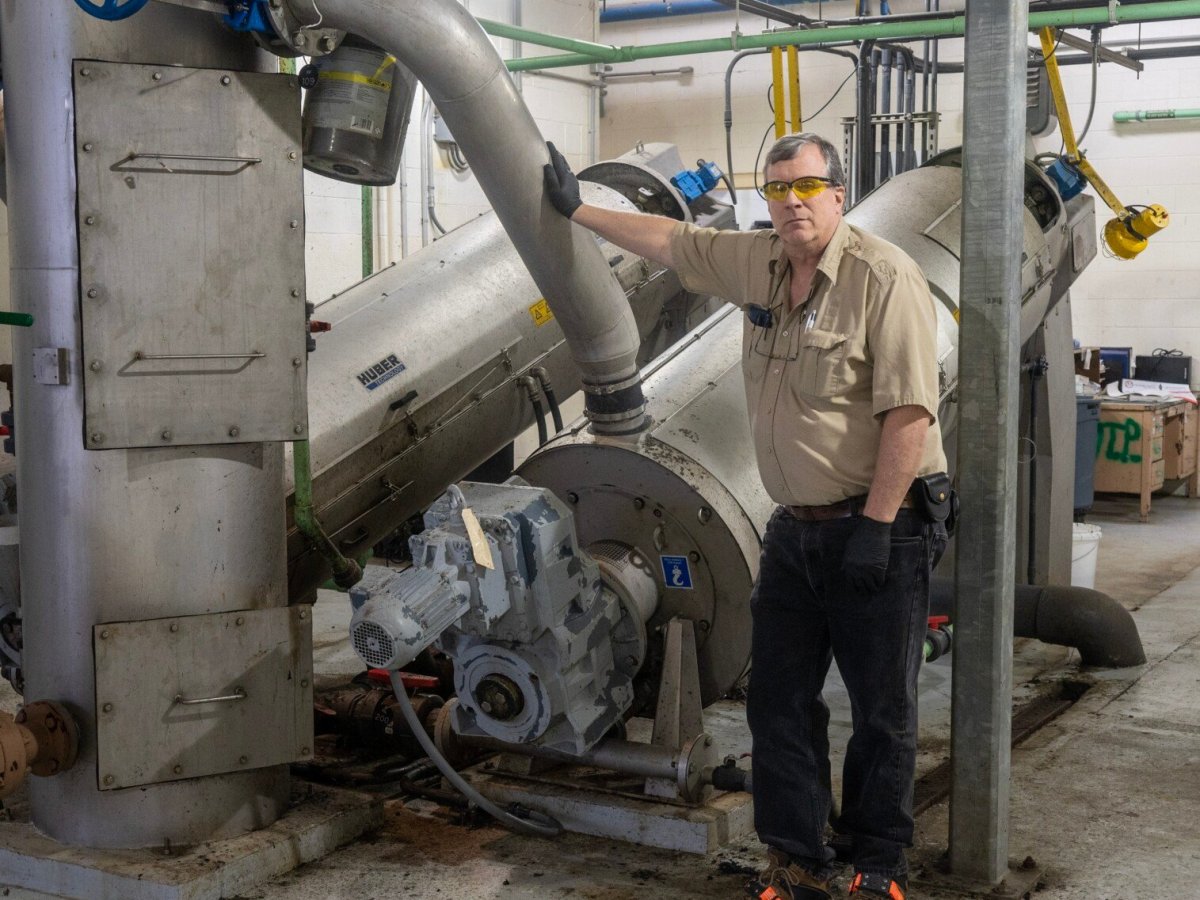
Crisis building at Maine wastewater treatment plants
Wastewater treatment plant operators across Maine face paying higher fees to truck sludge to New Brunswick after two state laws curtailed how biosolid disposal is handled.
Posted inMaine
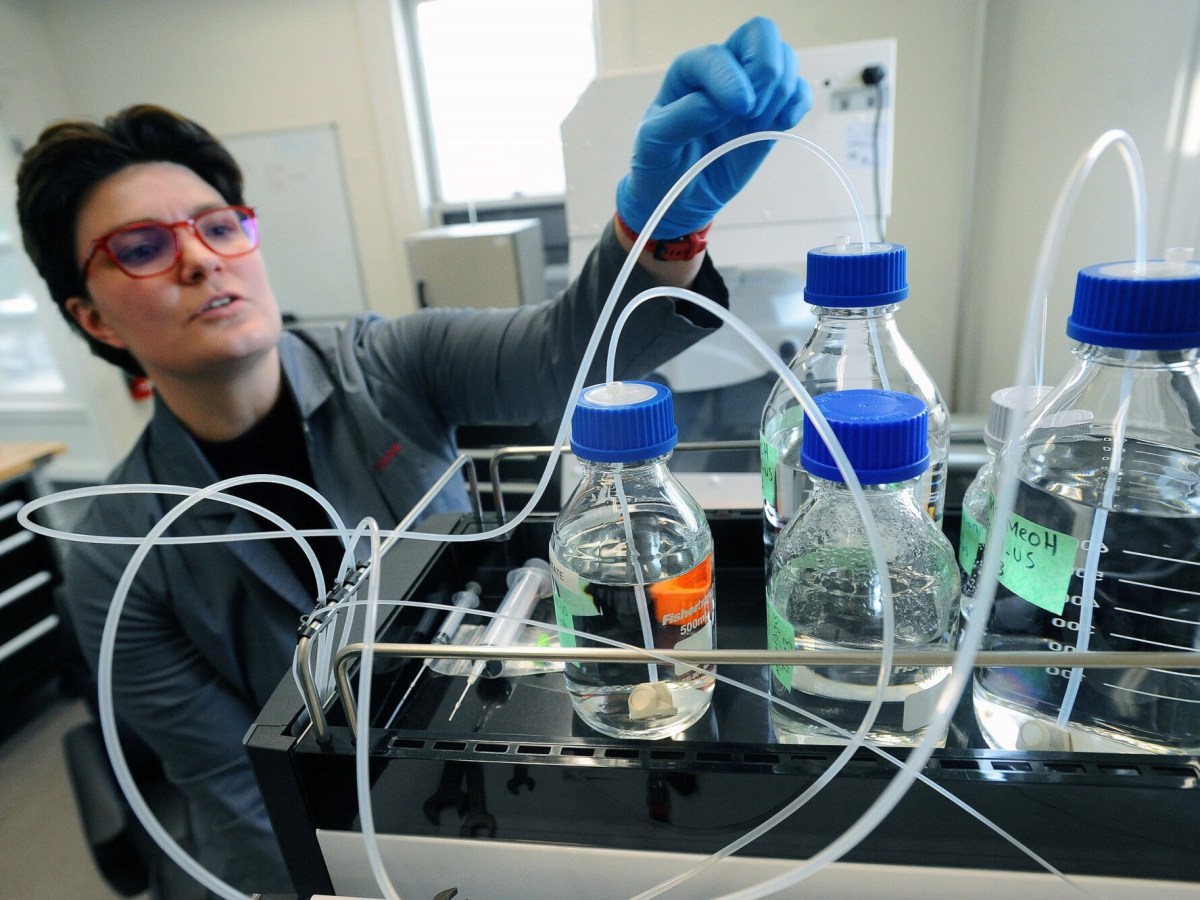
Norridgewock lab looks to abbreviate time it takes to perform PFAS testing

The first lab in Maine with the ability to test for PFAS in drinking water opened this week and its founders aim to make testing faster and more accessible for people.
Posted inMaine, News
Maine to receive $19 million in EPA grants to address PFAS, other water contaminants

The funding will enable communities to improve local water infrastructure and reduce emerging contaminants in drinking water.

Posted inMaine
Lawmakers consider state buyback program for farms ruined by tainted sludge
But there is disagreement about the best way to reimburse the growing number of farmers whose livelihoods have been devastated by forever chemicals, especially those who already have been waiting years for help.

Posted inMaine
Maine developing PFAS safety levels for locally grown food
Preliminary research shows some crops, like potatoes and squash, could be safely grown on a contaminated farm, while others, like lettuce and carrots, appear to absorb and store forever chemicals.

Posted inBusiness, Maine
Ban on pesticides with PFAS feeds concern about unintended impacts
Some Maine farmers, including some of its 300 certified organic farmers, worry they soon won’t be able to defend their crops from pests, said Julie Ann Smith of the Maine Farm Bureau.