


Three tours of the city’s Water Pollution Treatment Plant taught couples about Maine wastewater systems on Saturday. Romantic, right?
water pollution
Posted inBusiness, Local & State, News
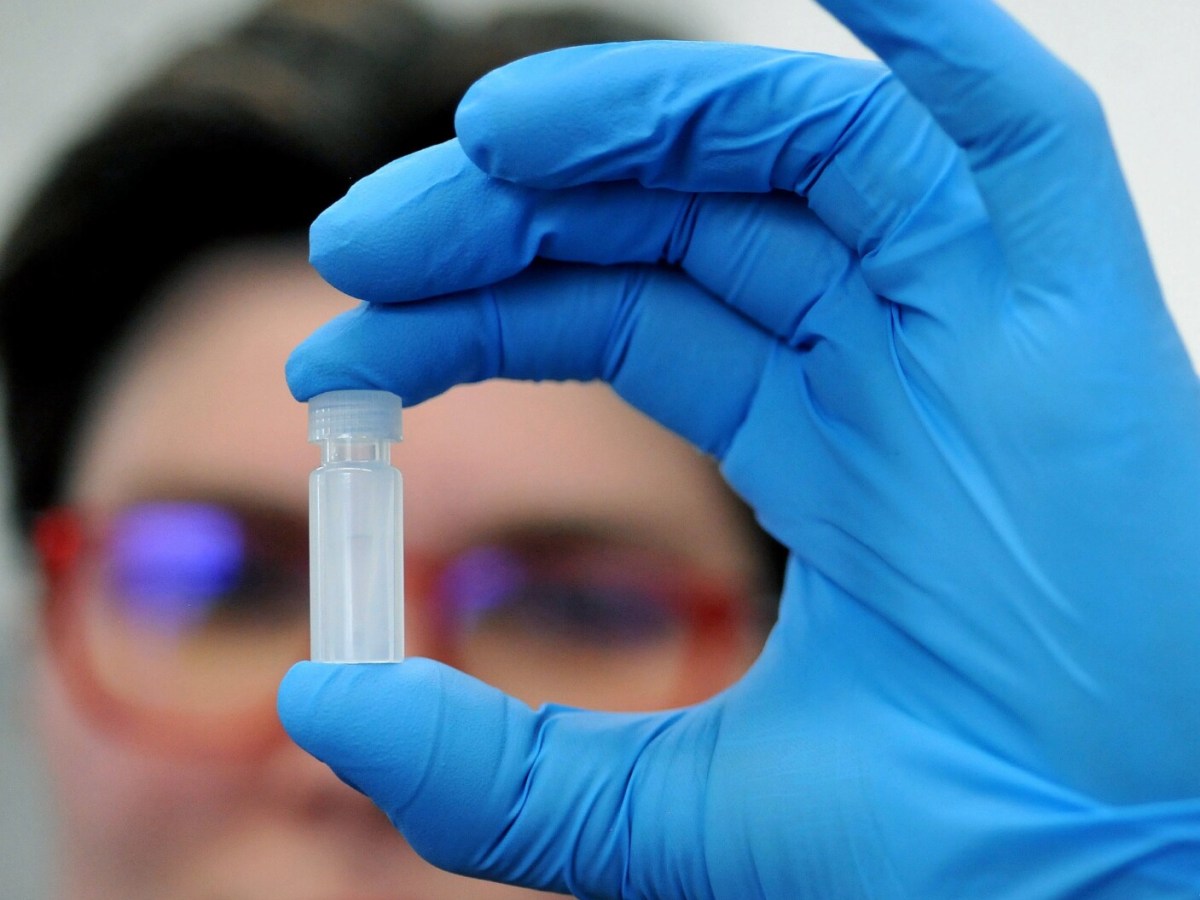
Bill proposes PFAS help for Maine’s private well owners

The legislation would pay to test private wells near a known source of forever chemical pollution, such as landfills or firefighting foam spill sites.
advertisement

Posted inLocal & State, News
Skowhegan’s pollution control superintendent has eye on the future

After years of investing millions to improve the municipal sewer system, the town is looking at the next round of upgrades at its treatment plant.

Posted inFact Brief, Health, Local & State, News
Are ‘forever chemicals’ present in all U.S. water sources? | Fact brief
Also known as PFAS, the chemicals have been linked to decreased fertility, developmental delays and increased risk of cancer.

Posted inBusiness, Local & State, News
Clean drinking water might be coming to Passamaquoddy reservation. There’s still trust to be built

Residents of Sipayik have endured discolored water and dangerous contaminants for decades.

Posted inBusiness, Local & State, News
Is the drought draining your well? What Mainers can do.
Maine state geologist Ryan Gordon answers well water questions as the statewide drought deepens and the number of dry wells increases.

Posted inLocal & State, News, The Franklin Journal
Wilton projects aim to curb erosion, protect Wilson Lake and Varnum Pond

Shoreline and water quality improvements will benefit Wilson Lake, Varnum Pond, and the community for years to come.

Posted inHealth, Local & State, News
Maine public water supply complies with law, but is it safe?

A national advocacy group says federal limits for three carcinogens found in tap water from public systems in Maine and across the U.S. are too low. Water districts say it’s not fair to expect ratepayers to fund improvements to meet its lower recommended levels.
Posted inBusiness, Lewiston-Auburn, Local & State, News
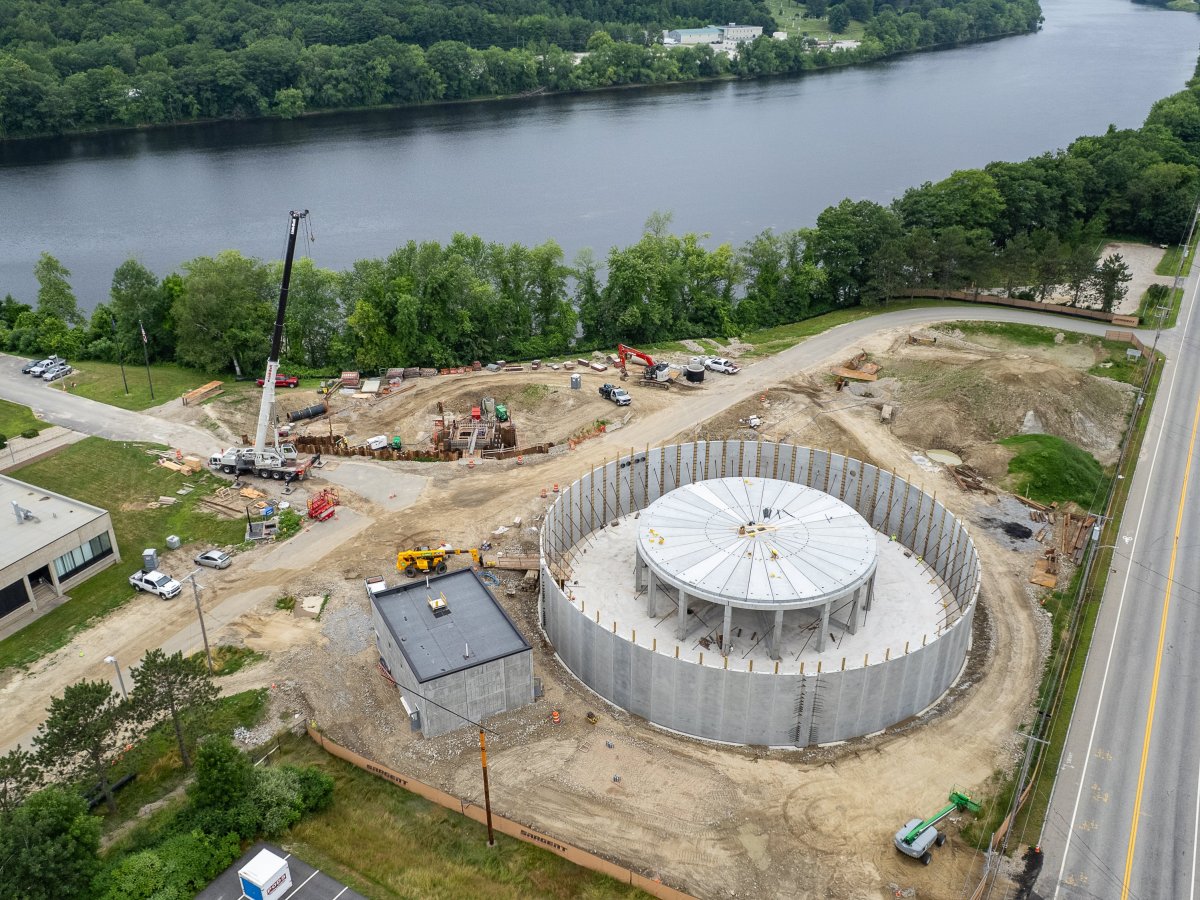
2.1 million-gallon sewer tank coming together in Lewiston | Video

An aerial view of the storage tank at the Lewiston Auburn Clean Water Authority treatment facility under construction.

Posted inLocal & State, News
Over 50 Maine beaches tested positive for potentially unsafe contamination levels last year

A nationwide study also found that 15 of the beaches had potentially unsafe levels of fecal bacteria on more than 25% of the days they were tested.