


Easter is right around the corner, bringing with it the promise of spring and conjuring up images of blooming tulips, bright sunshine and maybe a deviled egg or two (or 12).
Different cultures celebrate Easter in unique ways, from Eastern European paska bread on Orthodox Easter to a Greek Easter soup and a leg of lamb or Puerto Rican codfish.
My family has roots in Lithuania, Poland, Austria and the Czech Republic, and our holiday traditions center around food from these countries that have been passed down through generations.
Our Easter table is filled with a traditional ham (which was probably my grandma’s favorite food of all time); harin, a horseradish and beet salad; and halupki, traditional Eastern European stuffed cabbage rolls.
I look forward to the halupki every year, but they are a labor of love to make, and not everybody has the time for it.
Luckily, there are plenty of easy Easter recipes. Here are five of my favorites.
Deviled Eggs
Each year, when my family walks through the door of my grandparents’ house, the first thing waiting for us is my grandpa’s famous deviled eggs. They’re usually gone so quickly that my cousin often reminds us to set a few aside for her as she wrangles her 2-year-old into the car.
These deviled eggs are bright, tangy and rich, and since they’re small, a whole plate will disappear almost as quickly as you set them out.
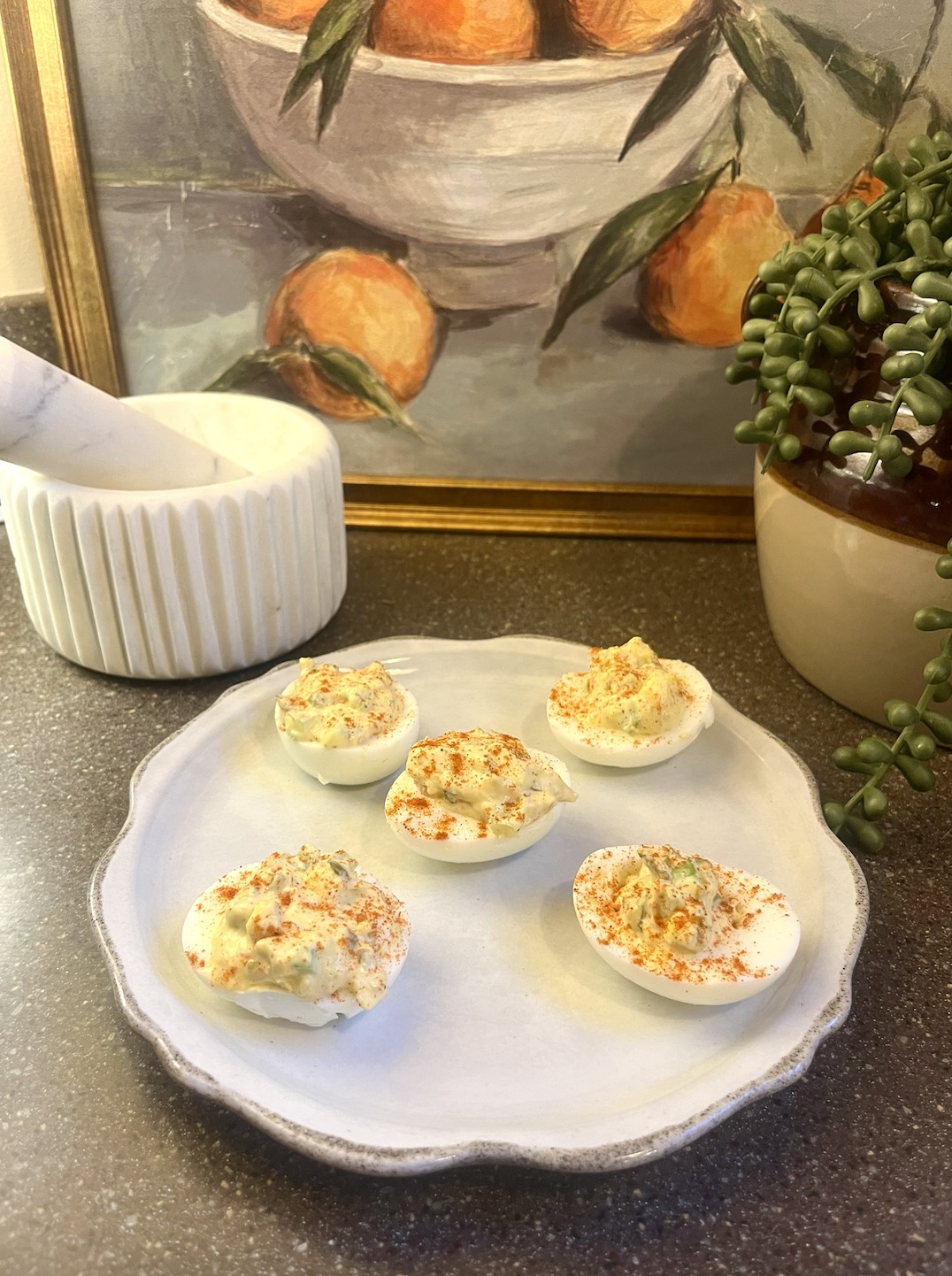
Ingredients:
12 hard-boiled eggs
1 can deviled ham spread
⅓ cup finely chopped sweet pickles or sweet relish
⅓ cup finely chopped celery
½ cup mayonnaise
1 ½ teaspoons ground mustard powder
Salt and pepper, to taste
A few splashes Worcestershire sauce
Paprika, to garnish
Peel eggs and slice in half lengthwise. Remove the yolks and set the white shells aside.
In a bowl, mash yolks with a fork, then add the remaining ingredients except for the paprika. Mix well to form a fairly firm mixture.
Stuff or pipe the yolk mixture into the reserved egg white halves and sprinkle with paprika.
Easter Bread
Hot cross buns are possibly the most widely known traditional Easter bread, with their history dating back to at least 1733, but probably even further. By the 18th century, hot cross buns were associated with Good Friday, a key date in the Christian calendar that commemorates the crucifixion of Jesus.
While delicious, the buns take a long time to make and are studded with dried fruit and flavored with spices, making the recipe more complicated.
In my a primarily Eastern European family, my grandma and my aunt always made what we call “Easter Bread,” a simple yeast loaf that takes a lot less time and energy to prepare than hot cross buns.
But believe me, it’s just as delicious.
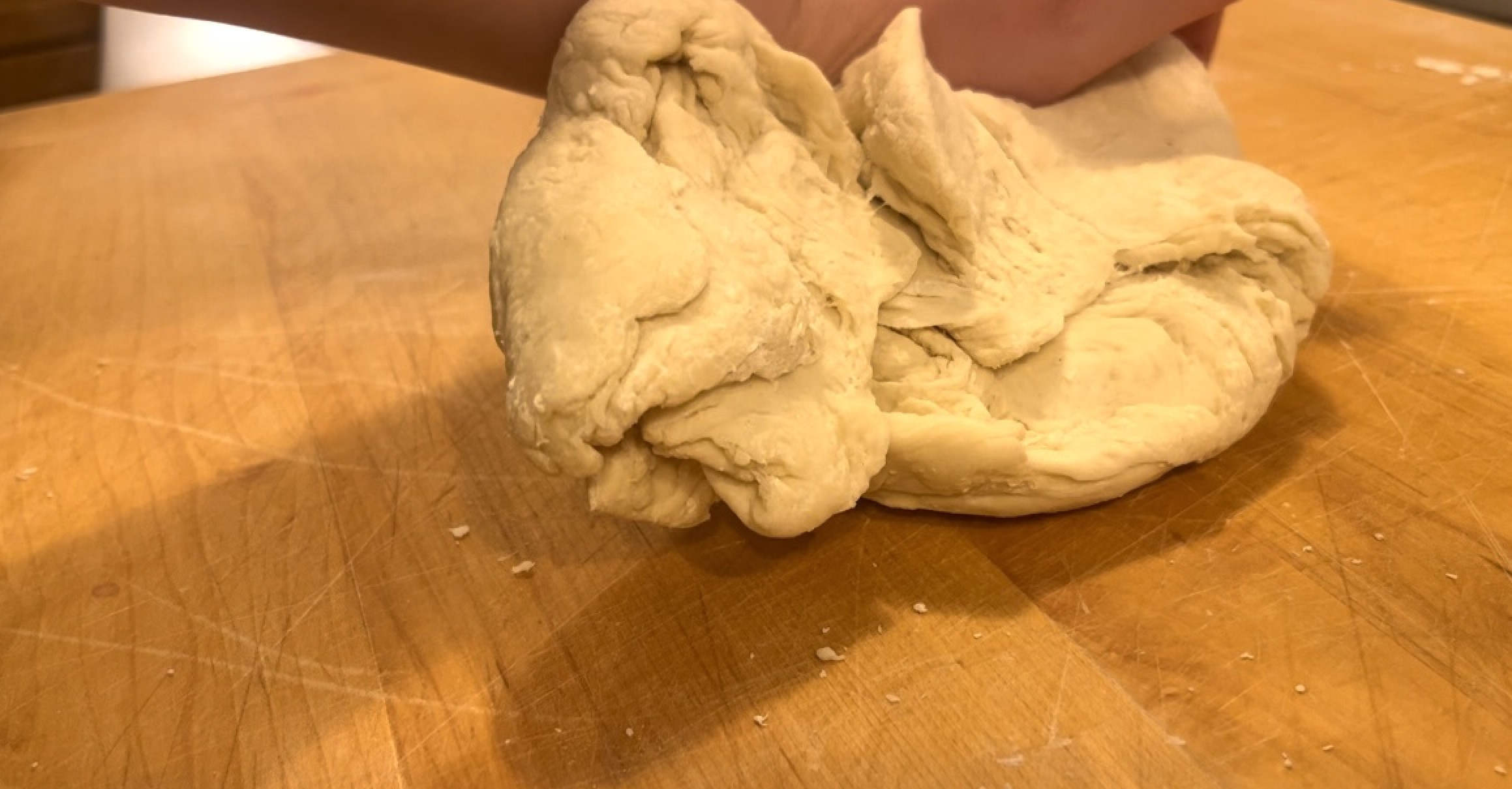
Yield: 2 loaves
Ingredients:
1 ½ cups warm water
4 tablespoons sugar, divided use
2 packages yeast, active dry or compressed
7 cups unsifted all-purpose flour (roughly)
1 cup milk
1 tablespoon salt
3 tablespoons butter
Put the warm water and 2 tablespoons sugar into a large warm bowl. Sprinkle or crumble in the yeast and stir until dissolved. Add 1½ cups of the flour and beat until smooth. This is called a sponge. Cover; let rise in a warm place, free from drafts, until light and spongy, about 30 minutes.
Scald the milk (heat to just below a boil), then stir in the remaining 2 tablespoons sugar, salt and butter; cool to lukewarm. Stir the sponge down and add the milk mixture to it with enough of the remaining flour to form a soft dough.
Turn the dough out onto a lightly floured board and knead it until smooth and elastic, 8-10 minutes. You can use a stand mixer with a dough hook attachment to make it easier.
Once the dough is kneaded, place it in a large greased bowl, rotating to grease the top of the dough. Cover; let rise in a warm place until doubled in size, about 30 minutes. Meanwhile, preheat the oven to 400 degrees F.
Punch the dough down and divide in half. Shape into round balls and place in 2 greased, medium-sized oven-safe bowls or dishes.
Cover and let the dough rise one more time until doubled, about 30 minutes. Bake in the preheated oven for about 30 minutes. When they’re done, the loaves will be golden and slightly firm.
Honey Mustard Ham
Some families enjoy a roast lamb as their Easter main dish. The tradition is religious in root, with the lamb intended to honor Jesus, the “Lamb of God.”
Ham is also a traditional Easter dish and, in my opinion, much simpler to make. A 2-pound ham can easily feed a family of four and takes far less time to prepare.
This honey mustard ham recipe uses an already-cooked ham that you can find at any grocery store, zhuzhed up with a sweet, zesty glaze. It makes an easy dish taste like it took hours.
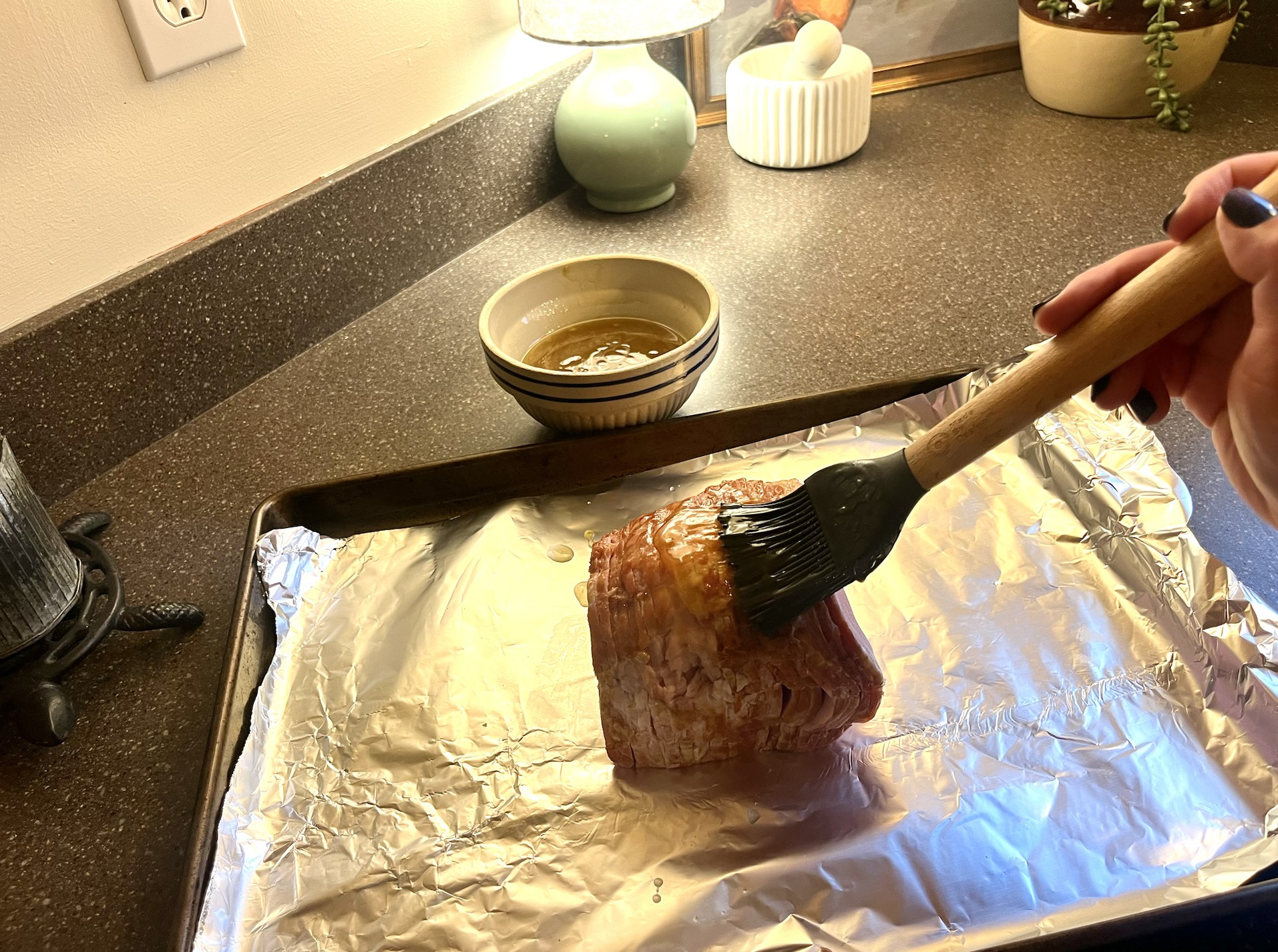
Serves 4. Double the recipe if you are having a crowd for Easter dinner.
Ingredients
2-pound spiral ham, fully cooked
1/2 cup honey
4 tablespoons butter, melted
3 tablespoons Dijon mustard
1 recipe glaze (below)
Preheat the oven to 325 degrees F.
To make the ham, mix the honey, butter and mustard together in a small bowl. Brush the ham with the mixture, making sure to coat it thoroughly. Place the ham on a baking sheet or roasting pan and bake in the preheated oven for 1 hour.
After 30 minutes, brush the ham with pan drippings.
Glaze ingredients
1 cup pineapple juice
1/2 cup honey
1 tablespoon Dijon mustard
Garlic powder, to taste
Onion powder, to taste
Salt and pepper, to taste
To make the glaze, mix all the glaze ingredients together in a small pot, then bring the mixture to a simmer on the stove and continue simmering to reduce by half, yielding a thick glaze.
Once the ham is nearly done, brush the glaze on the ham and return to the oven for another 10-15 minutes.
Allow the ham to rest for 10 minutes before serving, and be sure to brush the ham with more of that glaze.
Easy Lemony Asparagus
Every holiday table needs a vegetable, and when I think of spring vegetables, my mind jumps to asparagus.
This lemony asparagus recipe comes together in minutes and packs a punch without using too many ingredients.
Plus, it’s nice and light, so you can fill up on the deviled eggs and ham!
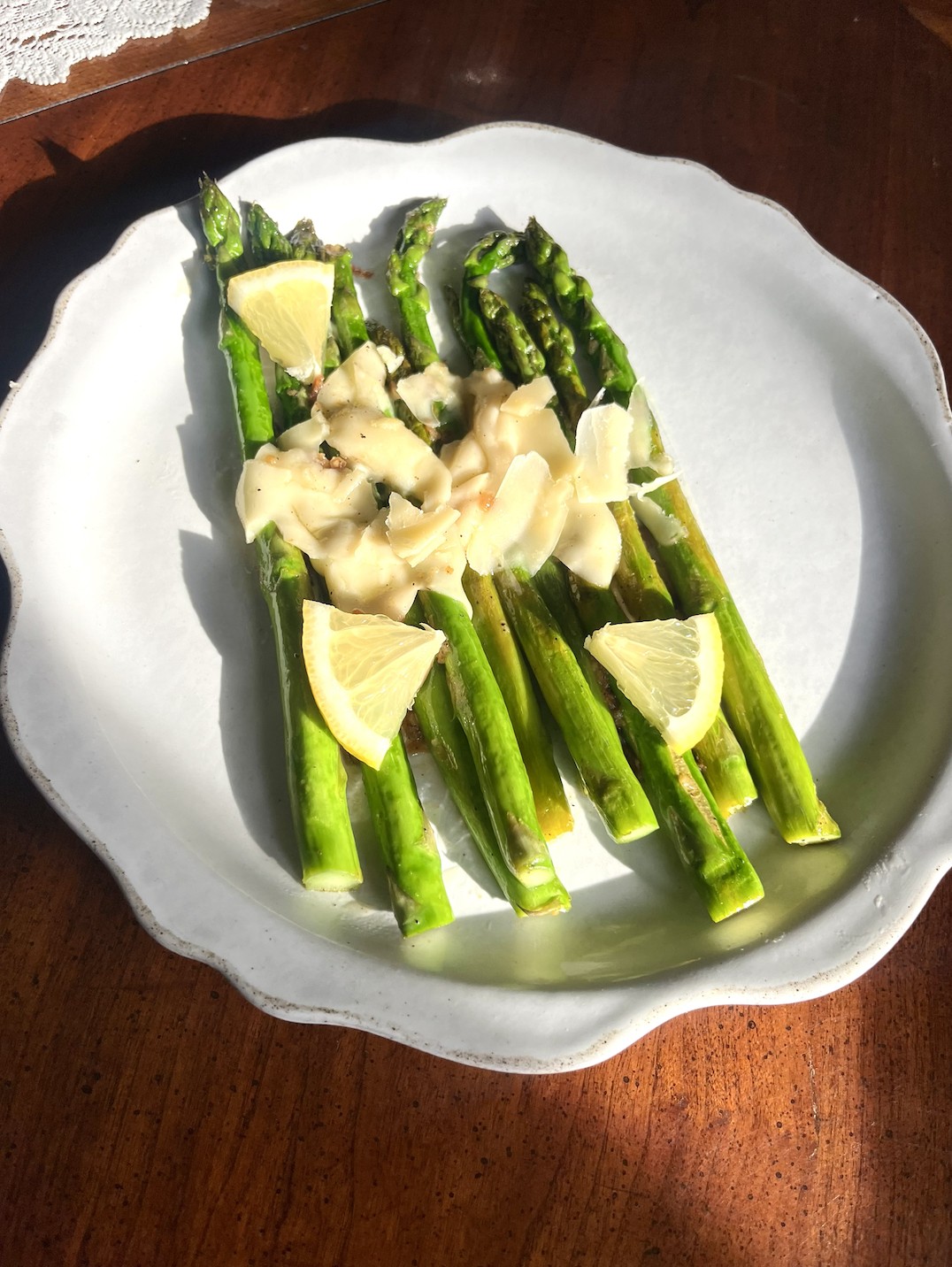
Serves about 4
Ingredients
1 bundle asparagus (about 1 pound)
3 tablespoons butter|
2-3 cloves garlic, minced
Salt and pepper, to taste
1 large lemon
Coarsely grated Parmesan cheese, to serve
Wash the asparagus, breaking off the woody ends (save them to make stock).
Over medium heat, melt the butter in a saute pan large enough to hold the asparagus, then add the crushed garlic. Cook until fragrant but not browned, about 1 minute.
Add the asparagus and toss to coat in the butter, sautéing until soft with a slight bite, about 8 minutes, depending on the size of the spears.
Season the asparagus with salt and pepper. Squeeze the juice of half to 1 lemon over the asparagus, being careful not to get any seeds in the pan.
Remove the pan from heat and cover the spears with Parmesan cheese. Garnish with lemon quarters if you like. Serve warm.
Carrot Cookies
While Easter reminds me of carrot cake, the cake itself is hearty, filling and full of warm spices. Carrot cookies are a lighter, more citrusy play on the traditional cake, making them perfect for spring. The carrots represent spring to me — although I suspect that might have to do with their association with bunnies more than anything else.
Also, as much as I love a carrot cake, I don’t always have the time to make a whole cake. Plus, it can be a hassle to transport to a family meal, and leftover cake can be difficult to store.
My grandma’s easy carrot cookies are similar to carrot cake, but in cookie form, with a citrusy, springy pineapple frosting.
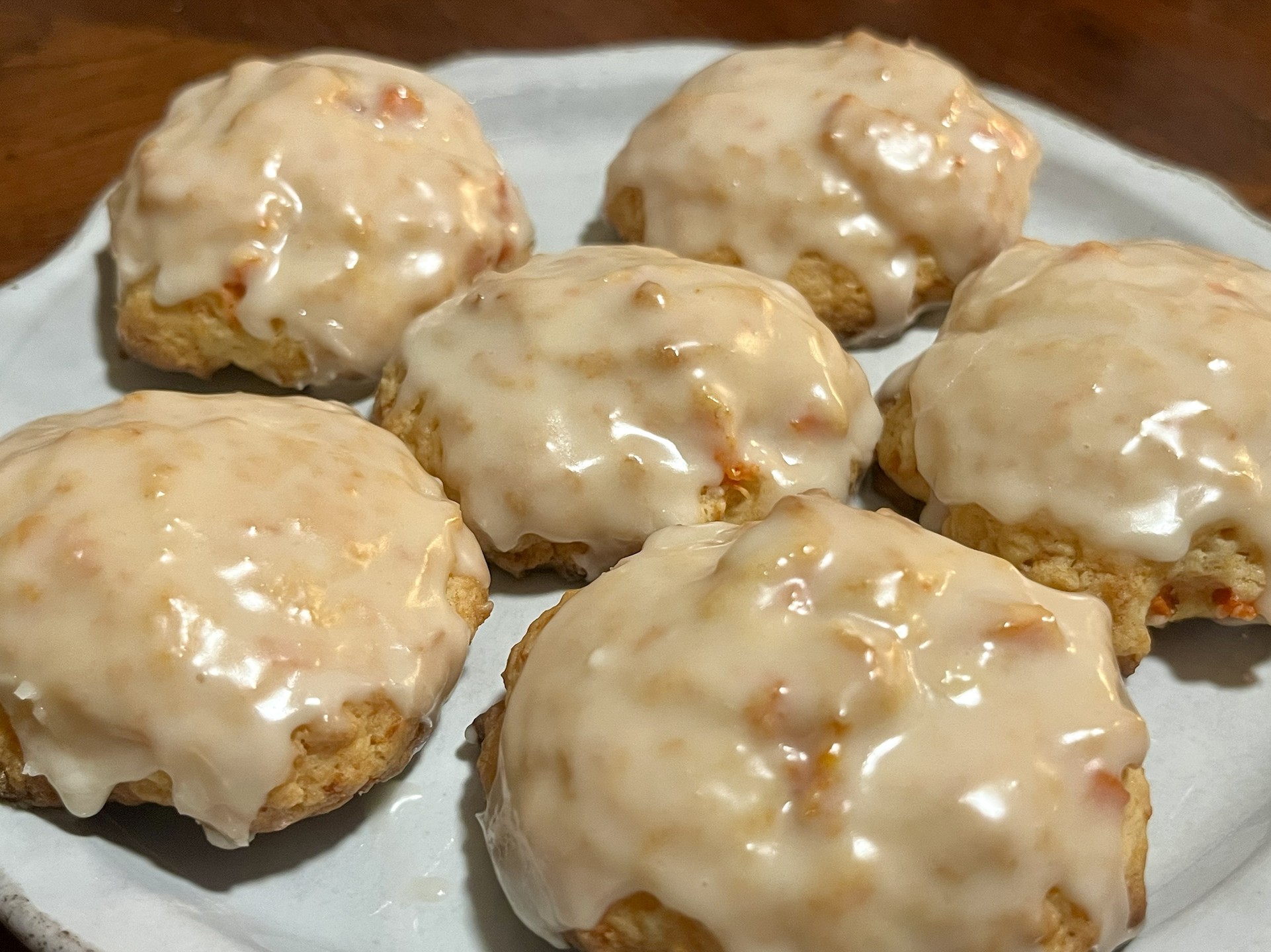
Yield: About 5 dozen cookies
Ingredients:
2 cups peeled, diced carrots
¾ cup butter, softened
1 cup sugar
1 egg
1 teaspoon vanilla extract
2 cups all-purpose flour
2 teaspoons baking powder
½ teaspoon salt
Preheat the oven to 350 degrees F.
Bring a small amount of salted water to boil in a small pot on the stove. Add the carrots and cook them until tender, 8 to 10 minutes. Drain and mash, then cool.
With a hand mixer (or in a stand mixer), cream together the butter and sugar, then add the egg and vanilla and beat the batter until fluffy. Stir in the cooled carrots. Stir together the dry ingredients (flour, baking powder and salt) and add to wet mixture in the mixer, blending until creamy.
Drop the dough by teaspoonfuls onto an ungreased cookie sheet, repeating as necessary, and bake in the preheated oven for about 12 minutes.
Let the cookies cool, then frost with the Pineapple Frosting.
Pineapple Frosting
1 ½ cup sifted powdered sugar
2 tablespoons pineapple juice
¼ teaspoon vanilla extract
Mix all the ingredients together in a small bowl, adding more pineapple juice if necessary to yield a spreadable consistency.

We invite you to add your comments. We encourage a thoughtful exchange of ideas and information on this website. By joining the conversation, you are agreeing to our commenting policy and terms of use. More information is found on our FAQs. You can update your screen name on the member's center.
Comments are managed by our staff during regular business hours Monday through Friday as well as limited hours on Saturday and Sunday. Comments held for moderation outside of those hours may take longer to approve.
Join the Conversation
Please sign into your Sun Journal account to participate in conversations below. If you do not have an account, you can register or subscribe. Questions? Please see our FAQs.