


Jerod Kronholm spends the fall leading mostly out-of-staters on moose hunts in the North Maine Woods.
A few years ago, the Searsport resident stopped getting calls from potential clients for late September, when the rutting bulls are most vocal and active. Kronholm checked with other Registered Maine Guides and realized they were dealing with the same problem.
“It took us a long time to figure out what the heck was going on,” Kronholm said. “It wasn’t just a fluke.”
Each year, Maine allocates a small percentage of moose tags for sporting camps, which have long been destinations for hunting and fishing trips in the most rural parts of the state. Hunters pay anywhere between $10,000 and $33,000 for packages that include a guaranteed tag, lodging, meals and guiding services.
State officials, guides and outfitters say loose guidelines have allowed some sporting camps to access tags through a lucrative secondary market. That, some say, has taken opportunities away from other guides and limited availability for nonresidents vying for tags in the state’s prime hunting season.
Now, lawmakers are considering reforms that would prohibit the resale of tags and put a cap on the number of sporting lodge tags in any wildlife management district to ensure some will be available in the general lottery for hunters from out of state.
“We must ensure that Maine’s moose hunt remains a world-class experience accessible to hunters regardless of residency or economic status,” Department of Inland Fisheries and Wildlife Commissioner Judy Camuso wrote in a memo to lawmakers. “The opportunity to hunt moose should never evolve into a free-market system driven by wealth.”
The department and the Maine Professional Guides Association have endorsed the proposed bill, LD 2054. So has the Maine Sporting Camp Association, although some board members split from their peers to oppose the changes. A legislative committee voted this month in support of the proposal, which is now before the full Legislature.
One outfitter is circulating a letter against the bill that is signed by 21 owners of sporting camps. Opponents say the proposed reforms, including new limits on tag swapping, would hurt the industry.
Jared Bornstein, a lobbyist who is also a Registered Maine Guide and has worked on lodge hunts in Aroostook County, criticized the bill and said the market for tags is healthy.
“This is a free market economy,” Bornstein said. “They’re talking about a situation where someone is good at business and organizes hunts.”
‘OUT OF HAND’
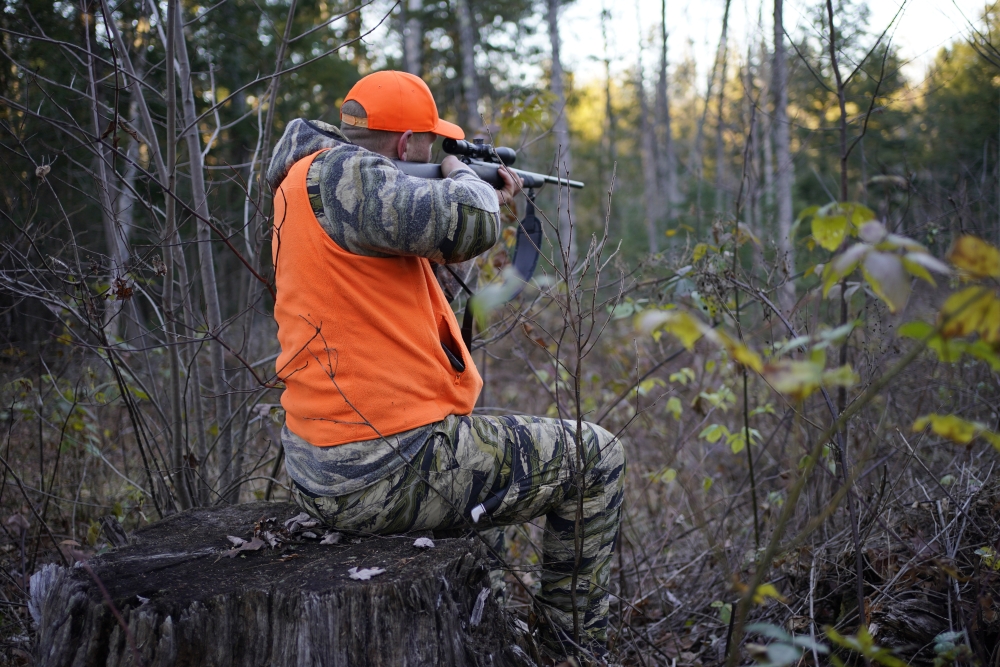
The majority of moose tags distributed through the lottery go to Maine residents. State law allocates no more than 8% to nonresidents and 2% to sporting camps.
Maine created a carve-out in the lottery for sporting camps because they were hurting from the decline of the state’s white-tailed deer herd, and lodges have been getting these moose tags since 2019. Sporting camps apply for and win their permits before the general lottery. Department records show most lodges get just one tag in the initial draw. Because of resales, some end up with access to multiple tags, officials say.
Getting licensed as a sporting camp is a low bar. State officials said motels, Airbnbs and even private individuals are entering the program. They can apply in any eligible hunting zone, even if it is far from their physical location. They pay the state $1,500 if they win a tag — and then resell it, sometimes for anywhere between $10,000 and $14,000, officials say.
“There are businesses that have no affiliation with hunting, and especially not with moose hunting,” Col. Dan Scott of the Maine Warden Service told lawmakers at a committee hearing. “Now, there’s an incentive to be licensed as a sporting camp.”
As a result, the number of applications from sporting camps has increased in recent years. Scott said 46 applied and got tags in 2019. Last year, there were 96 applications and 82 permits were issued.
Scott sent a letter in December to all licensed camps to dissuade those who don’t plan on running the moose hunts themselves. Some did not apply for the 2026 hunt, and others withdrew after conversations with department staff, he told the Inland Fisheries and Wildlife Committee.
This year, the state received 96 applications and granted 74 lodge tags.
Scott told legislators more clarity is needed, and many sporting camps and guides agree with stricter standards for eligibility.
“It’s just really got out of hand,” Harvey Calden, owner of Tim Pond Wilderness Camps near Eustis and president of the Maine Sporting Camp Association, said in an interview.
LIMITED TAG AVAILABILITY
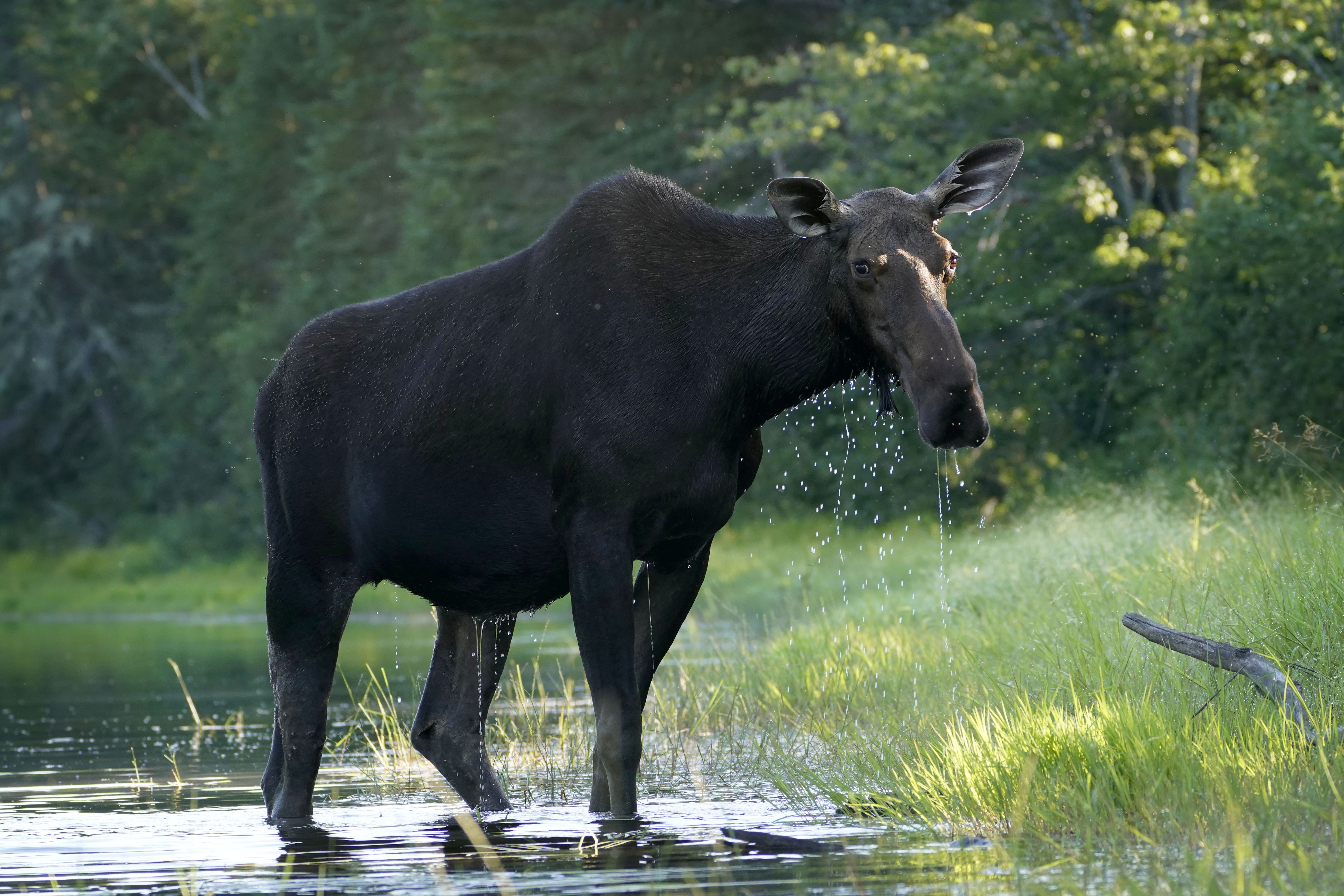
Because sporting camps receive tags before the general lottery, they get first pick of where and when they guide hunts. Increasing demand in prime zones and seasons means fewer tags remain in those locations when nonresidents apply. The chances are already slim for them; more than 25,000 enter the lottery, and only a couple hundred win each year.
No permits were available for nonresidents in five of 20 eligible wildlife management districts in September 2025. The same is true for September this year, according to the department. When the general lottery opens in April, there will still be tags available in those popular zones for out-of-state applicants in October, the second week of bull hunting.
Last year, nonresidents did not have the opportunity to adjust their application preferences based on availability. Department officials said they plan to provide more detail during this year’s lottery.
“We want a fair distribution of permits,” Department of Inland Fisheries and Wildlife Deputy Commissioner Tim Peabody told lawmakers in January.
Scott Soucy, who runs Homestead Lodge in Oxbow in a popular area in Aroostook County, told the Inland Fisheries and Wildlife legislative committee that he didn’t get a lodge tag last year in that zone in September, which is considered prime moose hunting. He said he also didn’t get any calls from out-of-state hunters who won their own tags in his zone for that month.
Soucy said he guided 15 hunts last year in other wildlife districts, but the loss of the lodge tag was a financial hit.
“I think that’s due to the sale of tags to other outfitters and misuse of the program,” Soucy testified in January. “I do like the program. I just think it needs to be streamlined.”
SPORTING CAMPS DIVIDED
Guides and lodge owners have driven to Augusta from the farthest parts of the state to attend committee meetings. The committee voted 12-1 this month on an amended version of the bill drafted by the Department of Inland Fisheries and Wildlife. At a later meeting, some members tried but failed to reconsider that vote.
Nathan Theriault, owner of OMM Outfitters in Eagle Lake, is circulating a letter in opposition to the bill that is signed by 21 owners of sporting camps, including four board members of the Maine Sporting Camp Association. He said the department could interpret and enforce the existing law differently to address common concerns.
His business charges $33,000 with tax for a package, which includes a guaranteed moose tag, a week of lodging, meals and guiding services. He drew one lodge tag in 2025 for one of his properties. He said he usually runs “more than a dozen” hunts with lodge tags in a given year, although the total number varies.
Theriault said he acts as a booking agent in those deals. His clients buy the tags directly from other lodges and then hire him to run the hunts through his facilities, he said.
“This is how I feed my family,” he said.
Theriault said businesses are willing to work with him because they want visiting hunters to have a good experience in Maine.
“We offer a world-class hunt,” he said. “These lodges know that.”
The debate has split a community that Registered Maine Guides and sporting camps say is usually more aligned.
Joe Kruse, owner of Lake Parlin Lodge in Jackman, said his business got one lodge tag in 2025. That’s enough, he said.
“Everyone realizes now that all these lodges can sell their tags,” Kruse said. “Guys that normally would have just been happy to have their one shot and have their tag are now going to say they’re going to be available on this side market. I don’t think it’s good.”

We invite you to add your comments. We encourage a thoughtful exchange of ideas and information on this website. By joining the conversation, you are agreeing to our commenting policy and terms of use. More information is found on our FAQs. You can update your screen name on the member's center.
Comments are managed by our staff during regular business hours Monday through Friday as well as limited hours on Saturday and Sunday. Comments held for moderation outside of those hours may take longer to approve.
Join the Conversation
Please sign into your Sun Journal account to participate in conversations below. If you do not have an account, you can register or subscribe. Questions? Please see our FAQs.